It took just six to seven minutes. That is how long officials say the wall of water, ice, and rock needed to travel from a collapsing glacier high in the Himalayas to the Gyirong border crossing between Nepal and China. Five days later, the scale of the catastrophe is still coming into focus: more than 900 people are confirmed dead, and nearly 4,800 remain missing across both countries.
As of Monday, August 31, rescue teams are racing against time and worsening weather to reach survivors — including hundreds of workers feared trapped inside hydropower tunnels along the Trishuli River. Here is what we know so far, and why this disaster carries warnings far beyond the Himalayas.
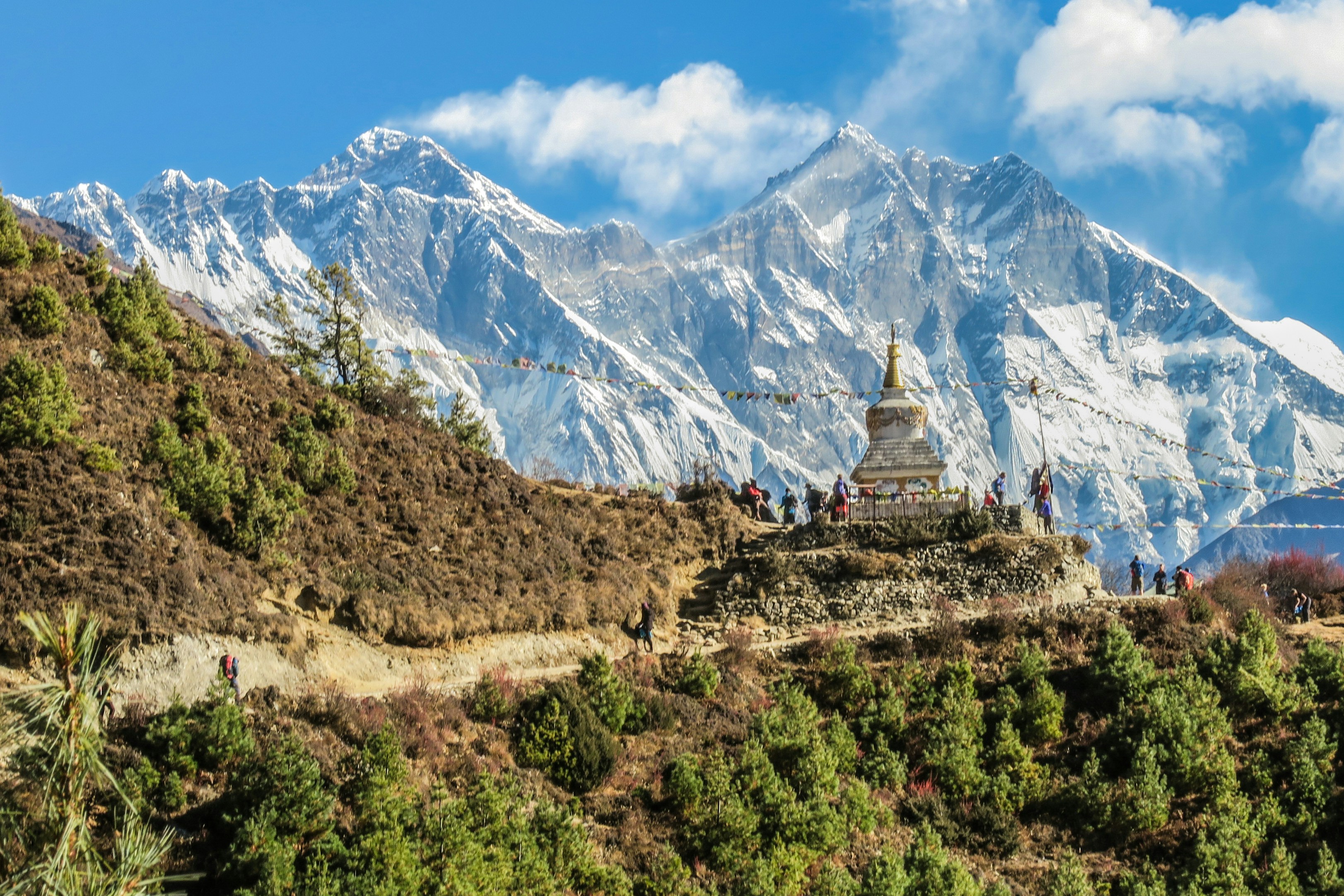
The Langtang Himal range in Nepal. A glacier collapse near Langtang Lirung triggered the August 26 flash floods. (Image: Unsplash, royalty-free)
What Happened on August 26?
On the morning of Wednesday, August 26, a large section of a glacier near the Langtang Lirung peak broke away and plunged into the river valley below. The impact triggered an avalanche and landslide that sent a cascade of water, pulverized ice, and rock hurtling downstream.
The flood destroyed the Gyirong checkpoint — a key trade artery on the China–Nepal border — and tore through dozens of settlements along a 72-kilometer (45-mile) stretch of the Trishuli River in Nepal. Entire villages were wiped from the map in minutes, leaving families with little warning and, in many cases, no chance to flee.
The Human Toll: Latest Numbers
The figures reported by authorities as of August 31 are staggering:
- 903 confirmed deaths in Nepal, with 4,247 people still missing
- 16 deaths in China's Tibet Autonomous Region, with 546 missing there
- A combined toll of 919 dead and roughly 4,793 missing across both sides of the border
- More than 3,700 people rescued in Nepal so far
Among the missing are hundreds of foreign nationals, including dozens of Americans — late August marks the start of the autumn trekking season, when the Langtang and Rasuwa regions draw visitors from around the world. Several governments have offered search-and-rescue assistance and humanitarian aid.
The Race to Reach Trapped Hydropower Workers
The most urgent front in the rescue effort is underground. The Trishuli River corridor is one of Nepal's most important hydropower zones, and more than 900 workers at various projects were unaccounted for after the flood struck.
Nepali authorities now say the search for workers who may be trapped inside hydropower tunnels is the operation's "highest priority." Tunnels can hold air pockets, which offers a sliver of hope — but access routes are buried under debris, and poor weather has repeatedly grounded helicopters and hampered heavy equipment.
A Second Threat: The Barrier Lake
Adding to the danger, the initial landslide dammed part of the river and formed a barrier lake near the flood zone. Over the weekend, Chinese officials confirmed the lake had begun to overflow and discharge water, but said the overall situation was stable and that the possibility of a complete breach was "relatively low."
Nepali authorities are taking no chances. Residents in flood-affected districts downstream have been urged to remain on high alert, and warnings of possible fresh flooding were issued over the weekend.

The Trishuli River corridor is one of Nepal's most important hydropower zones. (Image: Unsplash, royalty-free)
Why Was This Flood So Destructive?
Scientists describe this type of event as a glacial collapse cascade — and it is among the most violent phenomena in mountain environments. Several factors combined to make August 26 so deadly:
- Speed: The debris flow reached the border crossing in under seven minutes, leaving virtually no time for warnings or evacuation.
- Geography: Steep, narrow valleys funneled the flood into populated riverbanks, where villages, roads, and hydropower facilities cluster.
- Timing: The disaster struck at the end of the monsoon season, when rivers were already swollen and slopes saturated.
- Infrastructure exposure: Border posts, trekking routes, and energy projects sit directly in the flood path, concentrating people in harm's way.
A Warning Sign for the Himalayas — and Beyond
The Hindu Kush Himalaya region holds the largest reserves of ice outside the polar regions, earning it the nickname "the Third Pole." As global temperatures rise, glaciers across the range are thinning and destabilizing, and researchers have long warned that glacial lake outburst floods and ice-collapse events are becoming more frequent and more severe.
For Nepal, the stakes are especially high. The country has bet heavily on hydropower — both for domestic electricity and for export revenue — and most of that infrastructure sits in valleys fed directly by glacial melt. This disaster will likely intensify debate about how to build early-warning systems, where to site future projects, and how downstream communities can be better protected.
The cross-border nature of the disaster also underscores a hard reality: mountain hazards do not respect national boundaries. Coordination between Nepal and China — on monitoring, data sharing, and joint rescue operations — has become a matter of life and death.
How Rescue and Relief Efforts Stand Now
Five days in, the operation is transitioning from immediate rescue toward a grim combination of recovery and relief. Key developments as of Monday morning:
- Search teams continue working along the 72-kilometer flood corridor, prioritizing hydropower tunnels and buried settlements.
- Thousands of displaced survivors need emergency shelter, food, and clean water as aid convoys navigate destroyed roads.
- International assistance offers are being coordinated, with foreign embassies also working to trace missing trekkers and tourists.
- Authorities on both sides of the border are monitoring the barrier lake around the clock.
Poor weather has repeatedly grounded helicopters, complicating rescue efforts in the steep terrain. (Image: Pexels, royalty-free)
The Bottom Line
The Nepal–China border floods are already among the deadliest Himalayan disasters in living memory, and with nearly 4,800 people still missing, the final toll may climb far higher. The coming days will be decisive for the workers trapped in tunnels, the displaced families waiting for news, and the rescue crews battling weather and terrain.
Beyond the immediate tragedy, this event is a stark reminder that a warming climate is redrawing the risk map for mountain communities worldwide. The question is no longer whether such disasters will happen again — but whether early-warning systems and resilient planning can be put in place before they do.
We will continue to follow this story as rescue operations develop. For readers who want to help, consider supporting established international relief organizations working in Nepal, and bookmark this blog for verified updates. Share this article to help keep attention on the ongoing search efforts.
Sources: CNN, Al Jazeera, CBS News, The Washington Post, PBS News — reporting as of August 31, 2026. Figures are official counts and may change as operations continue.
Post a Comment