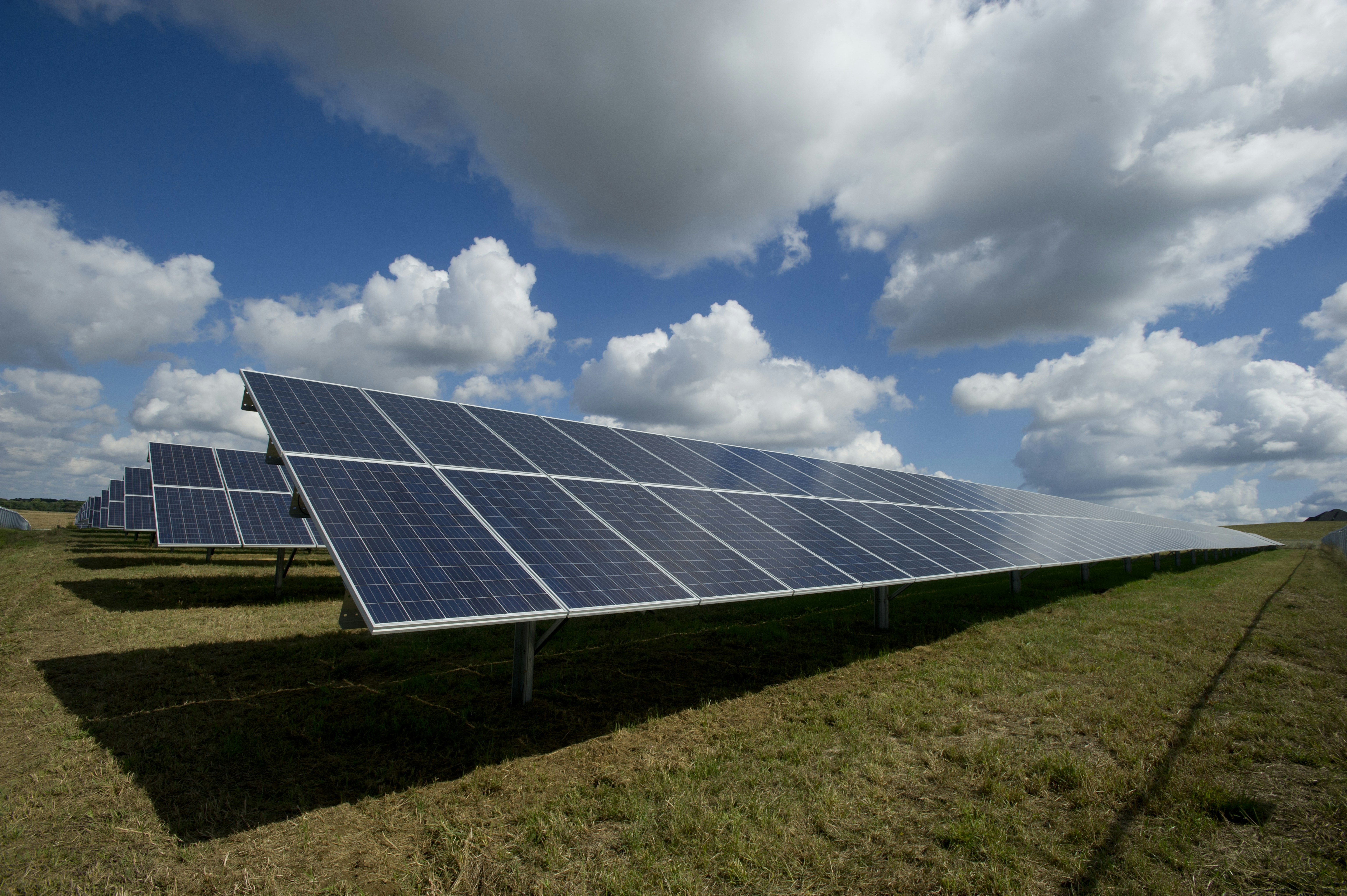
For more than a century, coal has been the backbone of China's electricity system. As of this week, that era has a symbolic end date. China announced that its installed solar power capacity has surpassed coal-fired capacity for the first time ever — a milestone that energy analysts have long predicted but that still lands as a genuine turning point for the world's largest energy consumer and largest carbon emitter.
The numbers are razor-thin but historic: by the end of July 2026, China's solar capacity reached 1.286 billion kilowatts, edging past coal's 1.285 billion kilowatts. Here's what happened, why it matters, and what it signals for the global clean energy transition.
A Milestone Decades in the Making
China's solar buildout has been running at a pace no other country has come close to matching. Last year alone, the country installed a record 315 gigawatts of new solar capacity and 119 gigawatts of wind — together accounting for more than 80 percent of all newly added power generation capacity.
That relentless pace is what pushed photovoltaics past coal in the capacity rankings. Solar is now the single largest power source category in China by installed capacity, a status coal had held for generations.
The Key Figures at a Glance
- Solar capacity: 1.286 billion kilowatts as of end of July 2026, narrowly ahead of coal's 1.285 billion kilowatts.
- Solar generation: up 15.5% in the first seven months of 2026 year-on-year, reaching 802.4 billion kilowatt-hours — roughly one-eighth of China's total electricity.
- Coal's share of output: fell below 50% for the first time on record in the first half of 2026, averaging 49.7%.
- Projection: by the end of 2026, non-fossil sources — mainly solar and wind — are expected to make up around 63% of China's power capacity, with coal dropping to roughly 31%.
Capacity vs. Generation: An Important Distinction
A note of caution before anyone declares coal dead: installed capacity is not the same as electricity actually produced. Solar panels generate power only when the sun shines, so a gigawatt of solar produces far less electricity over a year than a gigawatt of coal running around the clock.
That's why coal still supplies nearly half of China's actual electricity output, while solar contributes about one-eighth. The capacity crossover is a leading indicator, not the finish line. But the direction of travel is unmistakable — coal's share of generation has been falling steadily, and it dipped under the 50% mark for the first time this year.

Why This Matters Beyond China
1. Global Climate Goals
China accounts for roughly a third of global carbon emissions, and its power sector is the single biggest slice of that. If coal's share of Chinese electricity keeps sliding, global emissions curves bend with it. Analysts watching for a peak in China's emissions see this milestone as one of the strongest signals yet that the peak may be near — or already behind us.
2. The Economics of Energy Have Flipped
China didn't build over a billion kilowatts of solar out of altruism. Solar is now the cheapest source of new electricity in most of the world, and China dominates the manufacturing chain — from polysilicon to finished panels. Every new record installation drives costs down further, which accelerates adoption everywhere else. Cheap Chinese panels are reshaping power markets from Pakistan to Brazil.
3. Pressure on Other Major Economies
The milestone sharpens an uncomfortable comparison for Europe and the United States, where permitting delays, grid bottlenecks and shifting policy priorities have slowed renewable deployment. When the world's biggest coal user adds more clean capacity in a single year than most countries have in total, the competitive stakes of the energy transition become hard to ignore.
The Caveats: A New Coal Rush and Grid Strain
The story isn't a clean victory lap. China has continued to approve and build new coal plants, positioning them as backup for a grid that increasingly depends on intermittent sunshine and wind. Campaigners warn this "coal rush" could undercut the historic shift if the new plants run more than intended.
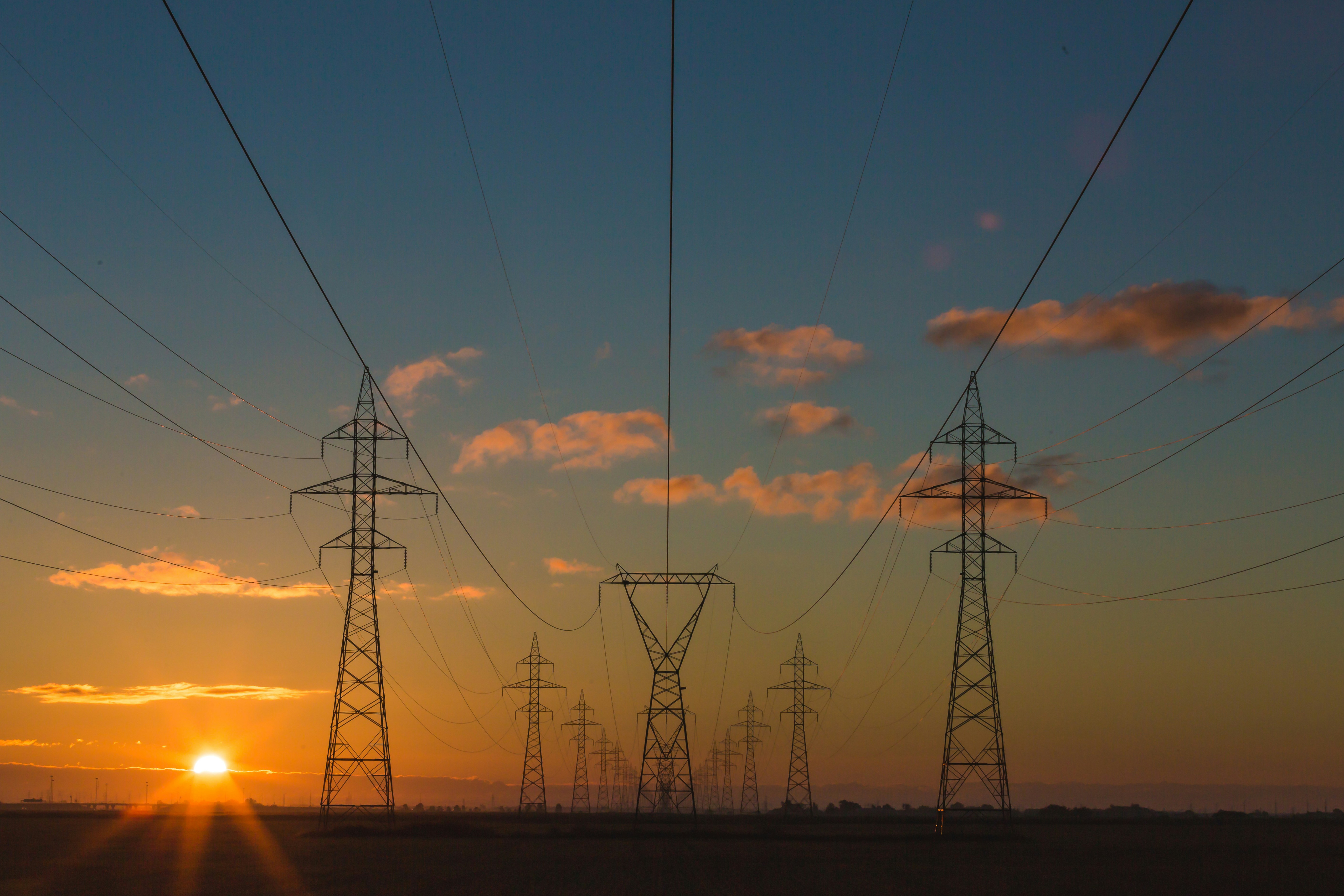
There are also growing pains at home. Beijing has begun tapping the brakes on the sheer scale of solar deployment, as curtailment — solar power going to waste because the grid can't absorb it — rises in sun-rich provinces. The next phase of the transition will be less about panels and more about the unglamorous work of storage, transmission lines and market reform.
- Storage: batteries and pumped hydro must scale to shift midday solar to evening demand.
- Transmission: ultra-high-voltage lines are needed to carry desert solar to coastal megacities.
- Market design: pricing reforms will determine whether coal plants truly run less, or just idle expensively.
What Happens Next?
Expect the gap between solar and coal capacity to widen quickly. Solar installations continue at record pace while coal additions slow, and analysts project non-fossil sources will approach two-thirds of China's capacity mix by year's end. The more meaningful crossover — solar and wind generation actually exceeding coal generation — is likely still some years away, but it has moved from "if" to "when."
For the rest of the world, the takeaway is simple: the energy transition's center of gravity is no longer a policy debate in Brussels or Washington. It's a construction schedule in China's deserts — and it's running ahead of schedule.
The Bottom Line
Solar overtaking coal in China's capacity mix is one of those milestones that will look obvious in hindsight and remarkable in real time. Coal still does the heavy lifting for now, but the trajectory is set, the economics are locked in, and the world's biggest emitter has crossed a line it won't cross back.
What do you think — is this the tipping point for the global energy transition, or just a symbolic footnote? Share your take in the comments below, and subscribe for more daily analysis of the stories shaping our world.
Sources: Euronews, Hong Kong Free Press, Rystad Energy, Yale E360, South China Morning Post.
Post a Comment