Egypt came within eleven minutes of the biggest upset of the tournament. Instead, the defending champions escaped with a 3-2 comeback win, and world football is now consumed by a question that refuses to go away: did the officials get it right? As the World Cup 2026 quarterfinals kick off today, Egypt's formal complaint to FIFA has turned a dramatic knockout defeat into the story of the tournament.
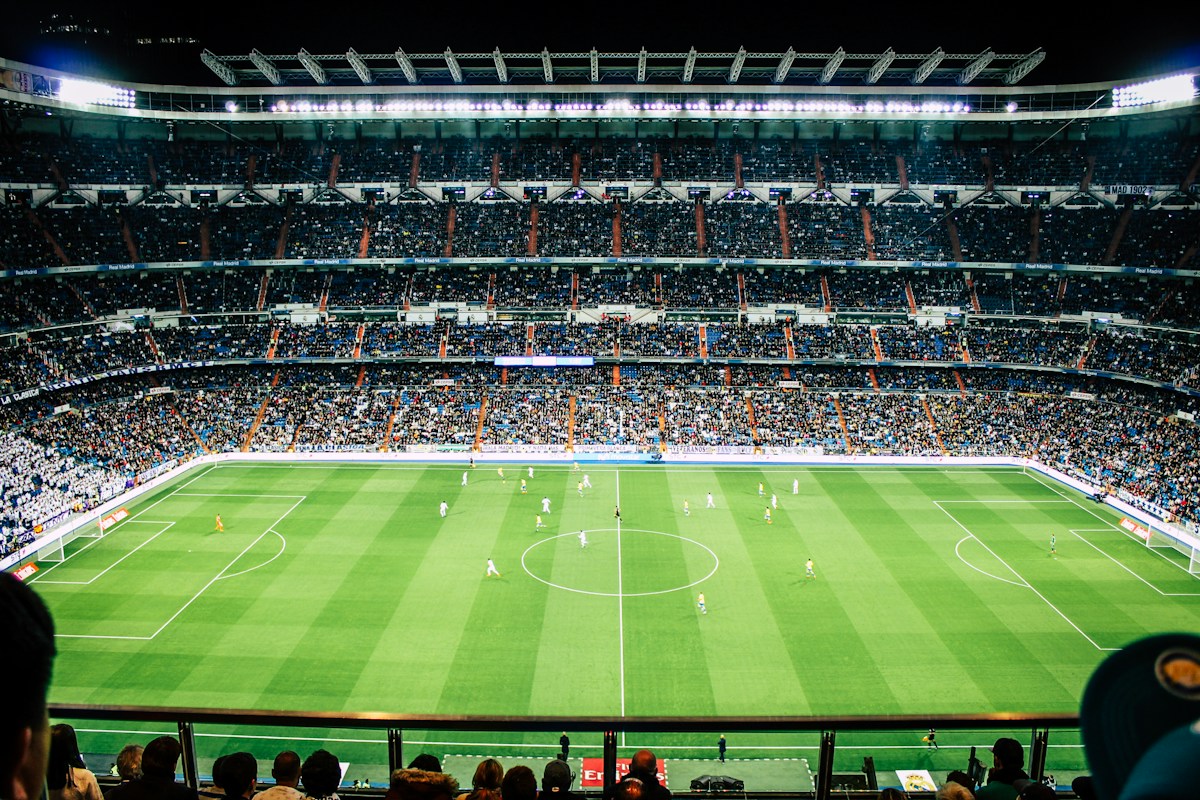
What Happened in Argentina vs Egypt
On Tuesday night, Egypt led Argentina 2-0 in their round-of-16 clash and looked poised to eliminate the reigning world champions. Then the match turned on its head. Argentina scored three times in the closing stages, with Enzo Fernandez grabbing the winner in the 92nd minute to seal a 3-2 victory.
The comeback itself was remarkable. But it is the officiating around it that has dominated headlines since. The Egyptian Football Association (EFA) says it "cannot remain silent" over what it calls the improper use of the Video Assistant Referee system, and it has now escalated the matter to FIFA directly.
The VAR Decisions at the Center of the Storm
Two moments in particular have fueled the VAR controversy:
- The disallowed goal: In the 62nd minute, Egypt's Mostafa Ziko appeared to double his side's lead. After a lengthy VAR review, the goal was chalked off for a foul by an Egyptian player in the buildup — a decision Egyptian officials insist was inconsistent with how similar incidents were handled elsewhere in the match.
- The late penalty appeal: Deep into the closing stages, Egypt's appeals for a penalty after Hamdy Fathy went down under a challenge were waved away. Argentina immediately went up the other end and scored the stoppage-time winner.
For Egypt, the sequence was devastating: a goal taken away by technology, a penalty shout ignored without a review, and elimination seconds later. For neutrals, it reopened a debate that has followed VAR since its introduction — not whether the technology works, but whether it is applied consistently.
Egypt's Formal Complaint to FIFA
EFA President Hany Abo Rida has submitted an official complaint to FIFA against French referee Francois Letexier and his officiating team. The complaint alleges that critical errors and "double standards" in decision-making played a major role in Egypt's elimination, and it demands the removal of the referee and his crew from the remainder of the tournament.
Egypt head coach Hossam Hassan went further, accusing FIFA of favoring the defending champions and suggesting officials were under pressure to keep Lionel Messi in the tournament. Those claims have gone viral on social media, with "rigged" allegations spreading widely enough that fact-checkers at international outlets have stepped in to separate documented officiating complaints from online conspiracy theories.
FIFA, for its part, has yet to respond publicly to the grievance. Governing-body precedent suggests match results are essentially never overturned on officiating grounds, but the complaint puts real pressure on FIFA's refereeing committee over future match assignments.
Why This Matters Beyond One Match
The credibility of VAR is on trial
VAR was introduced to eliminate clear and obvious errors. Nearly a decade on, the technology finds itself blamed not for missing incidents but for how selectively fans believe it intervenes. When a goal is overturned on a marginal buildup foul while a late penalty appeal gets no review at all, supporters see inconsistency — and inconsistency, fairly or not, reads as bias.
A tournament of upsets meets an old narrative
This World Cup — the first with 48 teams, hosted across the United States, Mexico and Canada — has been defined by underdog runs. Egypt outplaying Argentina for 79 minutes fit that story perfectly. Its ending revived one of football's oldest complaints: that the sport's biggest stars and biggest federations get the benefit of the doubt when it matters most.
Pressure on FIFA's response
How FIFA handles the complaint will set a tone for the rest of the knockout rounds. A transparent explanation of the VAR protocol used on Tuesday would go a long way; silence risks letting the controversy shadow the quarterfinals and beyond.
World Cup 2026 Quarterfinals: Schedule at a Glance
Meanwhile, the tournament rolls on. The quarterfinal lineup is set, running from July 9 to 11:
- France vs Morocco — Thursday, July 9, Boston (a rematch of the 2022 semifinal)
- Spain vs Belgium — SoFi Stadium, Inglewood, California
- Norway vs England — Hard Rock Stadium, Miami Gardens
- Argentina vs Switzerland — Saturday, July 11, Kansas City
All eyes will be on Argentina's meeting with Switzerland on Saturday. Every refereeing decision in that match will now be scrutinized through the lens of Egypt's complaint — an unenviable position for whichever officiating crew gets the assignment.
The Bottom Line
Egypt's FIFA complaint will almost certainly not change the result. But it has already changed the conversation. A World Cup that was being celebrated for its unpredictability now faces hard questions about the consistency of its officiating — questions FIFA cannot review away. With four quarterfinals in the next three days and the sport's biggest names still standing, the stakes for getting every call right have never been higher.
What do you think — was Egypt hard done by, or is this just football? Drop your take in the comments below, and follow the blog for daily World Cup 2026 coverage through the final.
Post a Comment