Just days after a historic July Fourth heat dome smothered more than 200 million Americans, the country is being hit again. A fresh outbreak of powerful storms is targeting roughly 30 million people from the Rockies to the Carolina coast, triple-digit heat is rebuilding across the West and central US, and firefighters are battling nearly three dozen large wildfires. Here's what's driving this relentless stretch of extreme weather — and what it means for the rest of the summer.
A Brutal Week of Extreme Weather, By the Numbers
The US heat wave 2026 has already earned a place in the record books. Over the Independence Day holiday, a sprawling heat dome pushed life-threatening conditions into major metro corridors on the East Coast, with more than 160 million Americans under heat alerts at its peak.
When that heat dome finally broke down between July 4 and 6, it didn't go quietly. Several rounds of severe thunderstorms tore across the eastern half of the country, and the toll was steep:
- More than 1.3 million power outages reported across multiple states
- At least four storm-related fatalities
- A second heat dome now building over the western and central United States
- Nearly three dozen large wildfires burning out West
- Roughly 30 million people in the path of this week's new storm outbreak, stretching from the Rockies to the Carolina coast
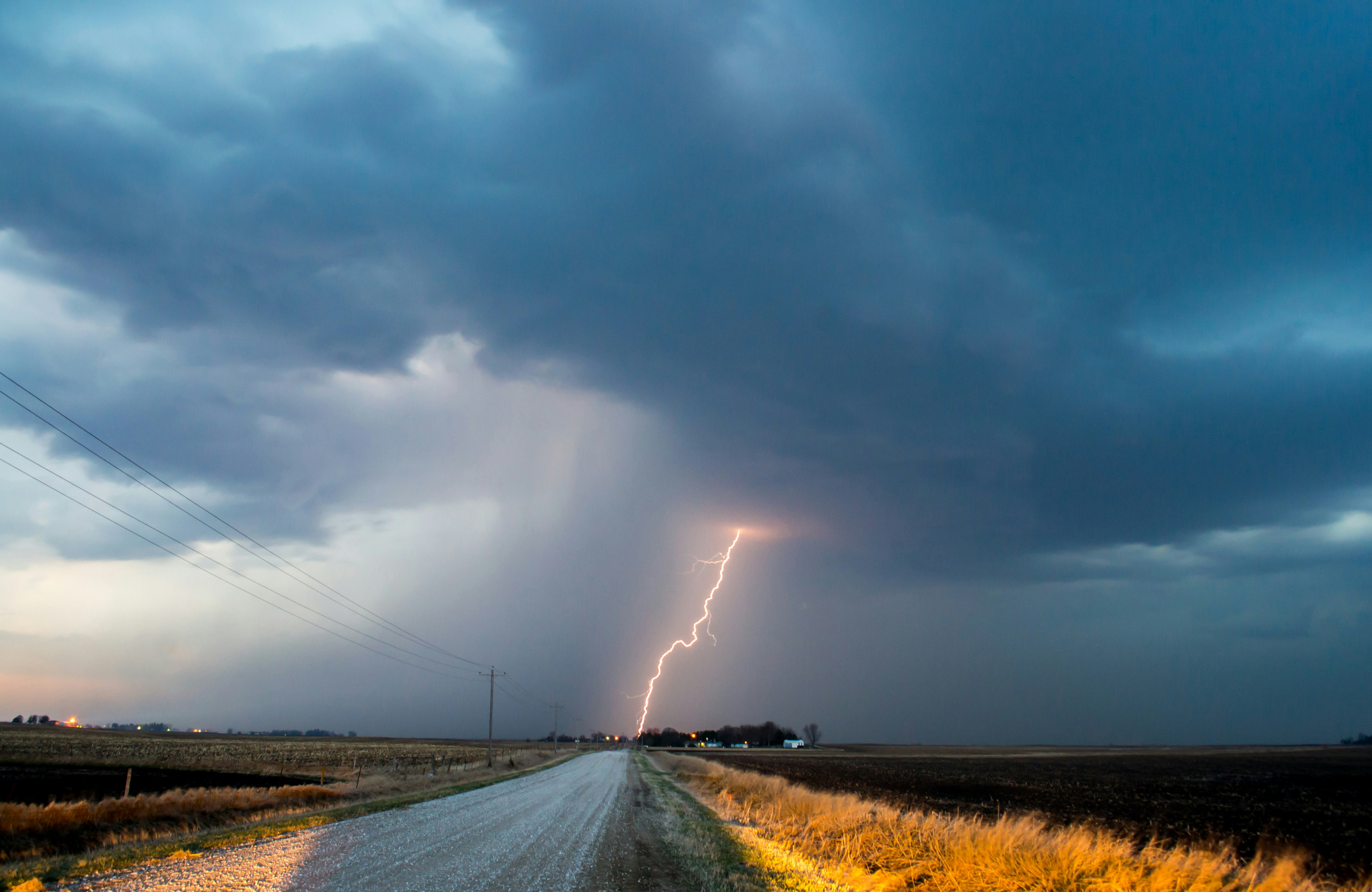
Severe thunderstorms are threatening a corridor from the Rockies to the Carolina coast. (Photo: Unsplash, royalty-free)
What Is a Heat Dome — and Why Are We Getting Two?
A heat dome forms when a strong ridge of high pressure parks over a region and traps hot air beneath it, like a lid on a pot. The sinking air compresses and warms, skies stay clear, and temperatures climb day after day with little overnight relief.
The first dome of this stretch centered on the eastern US during the July Fourth week, pushing heat indices well past 100°F in cities from Washington, DC to Philadelphia. As storms dismantled that ridge, the pattern didn't relax — it simply shifted. By July 6, a second dome was already building over the West and central US, where cities like Salt Lake City are now facing dangerous highs up to 105°F.
The "Ring of Fire" Storm Pattern
Meteorologists often call the edge of a heat dome the "ring of fire" — and not because of the flames. Storms tend to erupt along the dome's perimeter, where hot, unstable air collides with slightly cooler air riding the jet stream. That's exactly the setup now aiming clusters of damaging wind, hail, and flash-flooding rain at a corridor stretching from the Rockies through the Plains and Southeast to the Carolina coast.
Wildfires Compound the Crisis Out West
While the East cleans up storm damage, the West is fighting fire. Crews are battling nearly three dozen large wildfires, many of them fueled by the same conditions the new heat dome is reinforcing: bone-dry vegetation, low humidity, and gusty afternoon winds.
Dry thunderstorms — storms that produce lightning but little rain — are a particular worry along the dome's edge. A single lightning strike in parched terrain can ignite a new blaze faster than crews can respond, and smoke from existing fires is already degrading air quality far beyond the fire zones themselves.

Nearly three dozen large wildfires are burning across the West. (Photo: Unsplash, royalty-free)
Why This Summer Feels Different
Individually, heat waves, severe storms, and wildfires are normal features of an American summer. What stands out in 2026 is the overlap and persistence. The country has moved from one billion-dollar-scale hazard directly into the next, with barely a day of quiet weather in between.
Climate scientists have long warned that a warming atmosphere loads the dice for exactly this kind of compound event. Warmer air holds more moisture, which supercharges thunderstorm rainfall. Hotter, drier baselines out West lengthen fire season. And stalled jet-stream patterns let heat domes linger longer than they once did. No single storm or fire can be pinned on climate change alone, but the background conditions make weeks like this one more likely — and more dangerous.
The Strain on the Power Grid
The 1.3 million outages from the weekend storms highlight a growing vulnerability: extreme heat drives record electricity demand for air conditioning at the very moment storms are knocking out transmission lines. Utilities across the Plains and Southeast have urged customers to conserve power during peak afternoon hours, and grid operators are watching this week's storm track closely.
How to Stay Safe This Week
If you're in the path of the heat, storms, or smoke, a few basic precautions go a long way:
- Heat: Limit outdoor activity between 11 a.m. and 6 p.m., drink water before you feel thirsty, and never leave children or pets in vehicles. Check on elderly neighbors, who account for a disproportionate share of heat deaths.
- Storms: Charge phones and backup batteries before storms arrive, and treat every power line on the ground as live. If you lose power, keep refrigerator doors closed and run generators outdoors only.
- Wildfire smoke: Monitor local air quality readings, keep windows closed on smoky days, and use N95 masks outdoors if air quality reaches unhealthy levels.
- Stay informed: Enable wireless emergency alerts on your phone and follow your local National Weather Service office for warnings specific to your county.
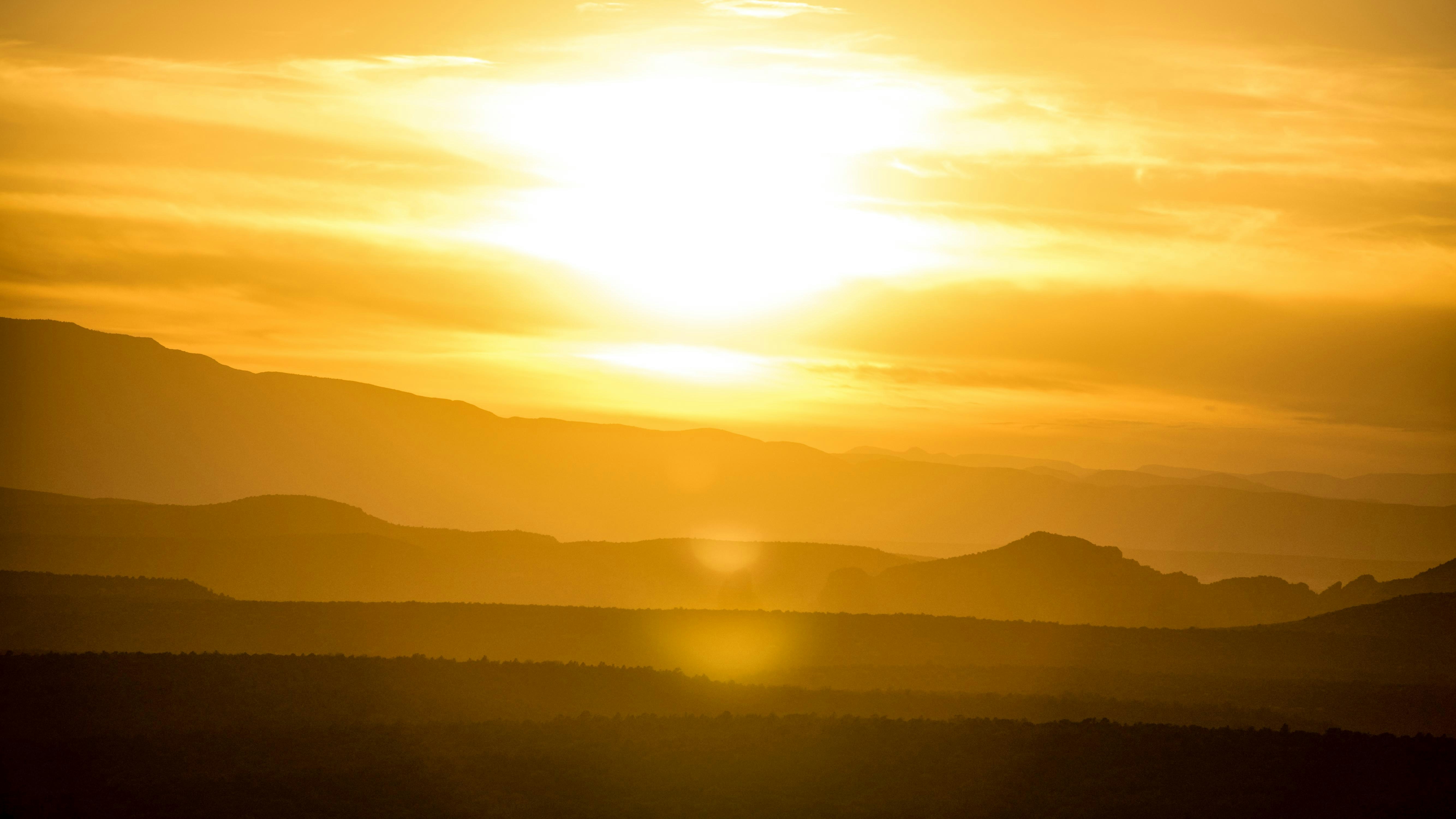
Triple-digit heat is rebuilding across the western and central US. (Photo: Unsplash, royalty-free)
What Comes Next
Forecasters expect the western heat dome to hold through at least the weekend, keeping the fire danger elevated and the "ring of fire" storm track active across the central and southeastern US. Some longer-range models hint at a brief cooldown for the East, but the broader pattern — heat building, storms firing along its edges — shows little sign of breaking down soon.
For tens of millions of Americans, that means the most practical forecast is also the simplest one: stay weather-aware, because this summer isn't letting up yet.
Are you in the path of this week's heat or storms? Share how you're coping in the comments below, and bookmark this blog for daily updates on the biggest stories shaping the news — delivered every morning.
Post a Comment