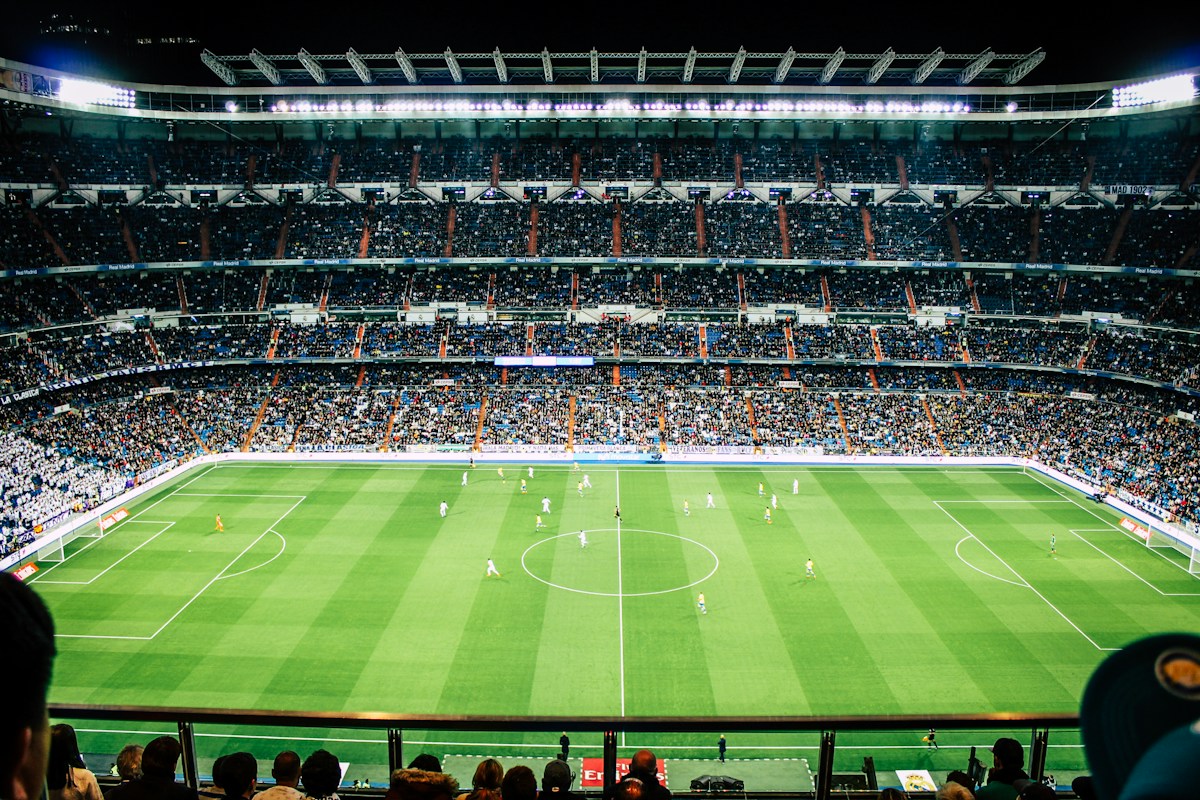
In less than a week, the biggest sporting event on the planet gets underway. The 2026 FIFA World Cup kicks off on June 11 at Estadio Banorte in Mexico City, launching a five-week festival of soccer that runs through the final on July 19. It is the largest World Cup ever staged — and the first hosted by three nations at once.
From record-breaking stadium lineups to unprecedented transit planning in New York, here is everything you need to know before the first whistle.
A Tournament Unlike Any Before
The 2026 edition is historic on several fronts. For the first time, the FIFA World Cup is being co-hosted by three countries — the United States, Mexico, and Canada — across 16 host cities: 11 in the U.S., 3 in Mexico, and 2 in Canada.
It is also the first World Cup expanded to 48 teams, up from the traditional 32. That means more matches, more fans, and more national pride on display than at any tournament in history.
- Dates: June 11 – July 19, 2026
- Teams: 48 (expanded format)
- Host cities: 16 across the USA, Mexico, and Canada
- Opening match: June 11 at Estadio Banorte, Mexico City
Three Opening Ceremonies, Three Nations
In keeping with the tri-nation format, the tournament will feature three opening ceremonies — one in each host country.
Mexico City — June 11
The main curtain-raiser at Estadio Banorte promises a star-studded celebration of Latin music. The lineup includes Mexican rock legends Maná, singers Alejandro Fernández, Belinda, and Lila Downs, cumbia favorites Los Ángeles Azules, plus international stars Tyla, J Balvin, and Danny Ocean.
Toronto — June 12
Canada's ceremony at BMO Field leans into homegrown talent: Alanis Morissette, Michael Bublé, Alessia Cara, and Jessie Reyez headline, joined by Elyanna, Nora Fatehi, Sanjoy, Vegedream, and William Prince. BMO Field itself has undergone one of the most significant transformations in its history to meet FIFA standards.
Host Cities Brace for a Visitor Surge
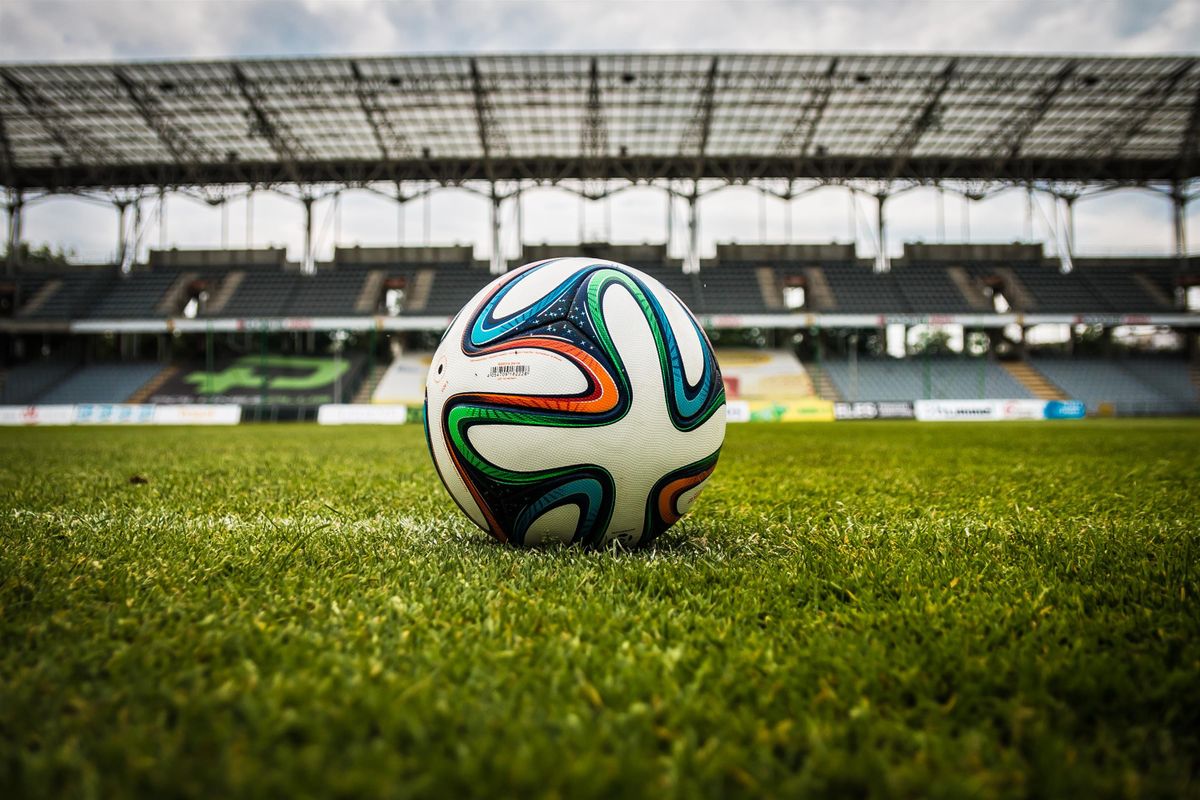
The scale of fan movement is staggering. In the New York–New Jersey region — home to the July 19 final at MetLife Stadium — transit officials are preparing to handle up to 100,000 extra travelers a day as international fans pour into the area.
Similar preparations are underway across all 16 host cities, from expanded airport staffing to fan festival zones. For local economies, the tournament represents a once-in-a-generation tourism windfall, with hotels, restaurants, and transport networks all expecting record demand.
What Visiting Fans Should Plan For
- Book transit and lodging early — host city hotels are filling fast, especially around knockout-round dates.
- Expect enhanced security — allow extra time at stadiums and airports.
- Use official channels — FIFA's official platforms remain the safest route for last-minute tickets.
The Heat Challenge
One storyline looming over the tournament is summer heat. Reports indicate that ten of the 16 stadiums can exceed safe playing temperature limits during extreme conditions. FIFA president Gianni Infantino has confirmed a mitigation plan: matches scheduled in the hottest early-afternoon windows will be played primarily in covered, air-conditioned stadiums.
Venues like AT&T Stadium in Dallas, NRG Stadium in Houston, and Mercedes-Benz Stadium in Atlanta — all featuring roofs and climate control — are expected to absorb many of those fixtures. Hydration breaks, common since the 2014 tournament in Brazil, will also feature prominently.

Why This World Cup Matters
Beyond the spectacle, the 2026 World Cup is a test case for the future of mega-events. The 48-team format roughly doubles the tournament's footprint compared to a decade ago, and the tri-nation model spreads both the costs and the benefits across an entire continent.
For the United States, it is the first men's World Cup on home soil since 1994 — a tournament credited with launching Major League Soccer and transforming the sport's profile in America. Expectations are that 2026 will do the same for a new generation, with soccer participation and viewership in North America already at all-time highs.
For Mexico, hosting the opener at the iconic Mexico City stadium makes it the first country to stage World Cup matches in three different tournaments (1970, 1986, and 2026). Canada, meanwhile, hosts men's World Cup matches for the first time ever.
Key Dates to Circle
- June 11: Opening ceremony and first match — Estadio Banorte, Mexico City
- June 12: Canada's opening ceremony — BMO Field, Toronto
- Late June: Group stage concludes; round of 32 begins
- July 19: Final — MetLife Stadium, New York/New Jersey
The Countdown Is On
Six days out, the energy is unmistakable. Stadiums are polished, ceremonies rehearsed, and millions of fans are finalizing travel plans for what promises to be the biggest World Cup in history. Whether you're heading to a host city or watching from your couch, the next five weeks belong to soccer.
Are you following the 2026 World Cup? Drop a comment below with the team you're backing, and subscribe for daily tournament updates, match previews, and host city guides throughout June and July.
Sources: FIFA.com, Sky Sports, NPR. Information current as of June 5, 2026.
Post a Comment