Washington just fired the opening shot in what may become the defining tech-policy fight of the decade. On Thursday, a bipartisan group of House lawmakers unveiled a sweeping 269-page draft bill — dubbed the Great American Artificial Intelligence Act — that would set the first national rules for AI development and, controversially, freeze state AI laws for three years.
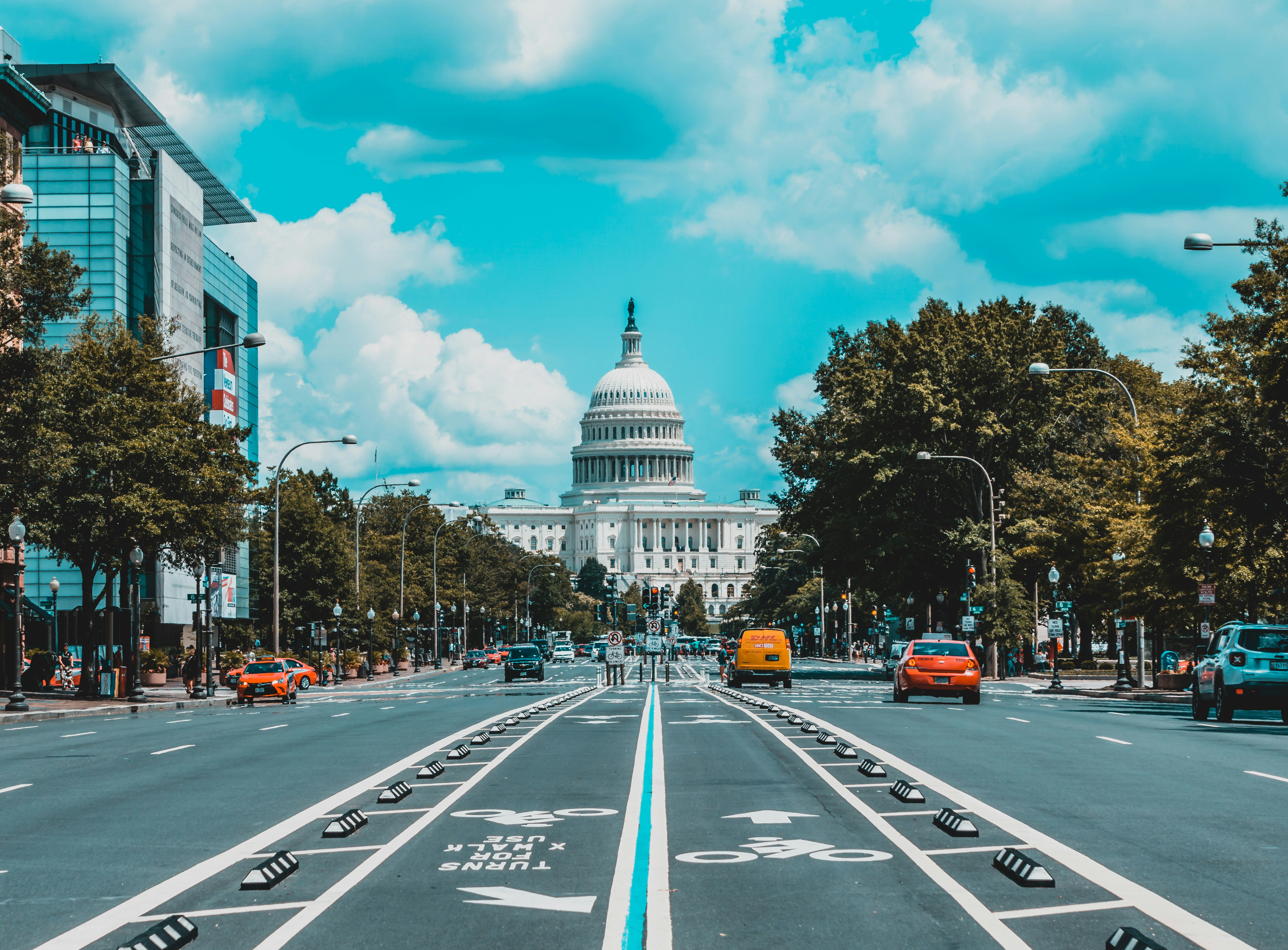
Congress is moving to set a single national standard for AI development. (Photo: Unsplash)
What Just Happened
Reps. Jay Obernolte (R-Calif.) and Lori Trahan (D-Mass.) released their long-expected federal AI bill as a discussion draft on Thursday, June 4, joined by co-sponsors from both parties: Reps. Suhas Subramanyam (D-Va.), Scott Franklin (R-Fla.), Scott Peters (D-Calif.), and Erin Houchin (R-Ind.).
The timing is no accident. The draft landed just days after President Trump signed an executive order establishing voluntary federal agency reviews of new frontier AI models. Together, the two moves signal that Washington intends to take the wheel on AI regulation in 2026 — a space states like California, Colorado, and Texas have dominated until now.
The Headline Provision: A Three-Year Freeze on State AI Laws
The most contested element is preemption. The bill would block state laws and regulations "specifically regulating the development" of AI models for three years, after which the provision sunsets.
There's an important carve-out: the freeze applies only to laws governing how AI models are developed — not how they are used or deployed. States could still regulate AI in hiring, insurance, policing, healthcare decisions, and consumer protection.
What the Bill Requires of AI Companies
In exchange for preemption, large frontier developers — defined as those above $500 million in annual revenue — would face new federal obligations:
- Publish safety frameworks describing how they manage risks in frontier model development
- Report critical incidents involving their AI systems to federal authorities
- Undergo semi-annual third-party audits of their safety practices
- Work with a codified Center for AI Standards and Innovation at the Commerce Department, which would gain a formal statutory mandate
Why Supporters Say It's Needed
Backers argue the current patchwork of state AI laws is unworkable. Dozens of states have passed or proposed AI statutes with conflicting definitions, thresholds, and reporting rules. For developers, that can mean building fifty different compliance programs for one model.
A single national standard, supporters say, gives companies regulatory certainty while finally putting real federal requirements — audits, incident reporting, published safety frameworks — on the biggest AI labs, which today face almost no binding federal safety rules at all.
Why Critics Are Alarmed
Opposition formed within hours. Brad Carson, president of Americans for Responsible Innovation, called the preemption a "generational mistake," arguing the bill "takes the current floor on state AI legislation and turns it into a federal ceiling." The ACLU also pushed back quickly, warning about the civil-liberties implications of sidelining state protections.
Critics' core concerns include:
- Weaker standards, locked in: if the federal rules prove softer than state laws like California's, the bill replaces stronger protections with weaker ones for three years
- The development vs. deployment line is blurry: many state laws touch both, and litigation over which side of the line a statute falls on is almost guaranteed
- Three years is a long time in AI: capabilities have transformed dramatically in just the past 18 months; freezing state action through 2029 is a major bet on federal follow-through

The bill arrives amid rapid advances in frontier AI capabilities. (Photo: Pexels)
The Bigger Picture: A Defining Week for AI Policy
The draft caps an unusually consequential week for the AI industry. Beyond the executive order on frontier-model reviews, major labs continued shipping significant product upgrades, and the sector's economics keep accelerating — adding urgency to the question of who writes the rules.
The preemption debate isn't new. A similar fight erupted in 2025 when Congress considered a ten-year moratorium on state AI laws — an idea that collapsed under bipartisan opposition. The new three-year sunset, with its development-only scope, is clearly designed as a compromise. Whether it reads that way to state attorneys general and governors is another matter.
What Happens Next
- Discussion draft stage: the bill is not yet formally introduced, meaning the text is open to revision as stakeholders weigh in
- Committee scrutiny: expect hearings in the House Energy and Commerce Committee, where Obernolte and Trahan both sit
- State pushback: watch for coordinated opposition from states with strong AI statutes already on the books
- Industry lobbying: frontier labs will fight over the $500 million threshold and audit requirements
The Bottom Line
The Great American Artificial Intelligence Act is the most serious attempt yet to create national AI rules — and the most serious attempt to stop states from writing their own. If it advances, it will reshape how every major AI lab operates and how much say your state government has over the technology transforming daily life. The three-year clock, if it starts, will tick fast.
Should AI rules be set in Washington or in your state capital? Share your take in the comments — and subscribe for ongoing coverage of the AI policy fight.
Post a Comment