The biggest energy deal in a generation just rewired the map of American power. NextEra Energy announced on May 18, 2026 that it will acquire Dominion Energy in an all-stock transaction valued at roughly $67 billion, creating what executives are calling the world's largest electric utility — and a single company positioned to dominate the buildout of artificial intelligence data centers.
It is the largest energy acquisition since Exxon swallowed Mobil in 1998, and arguably the first true megamerger of the AI era. The combined utility will operate about 110 gigawatts of generation capacity and serve roughly 10 million customer accounts across Florida, Virginia, the Carolinas, and beyond.
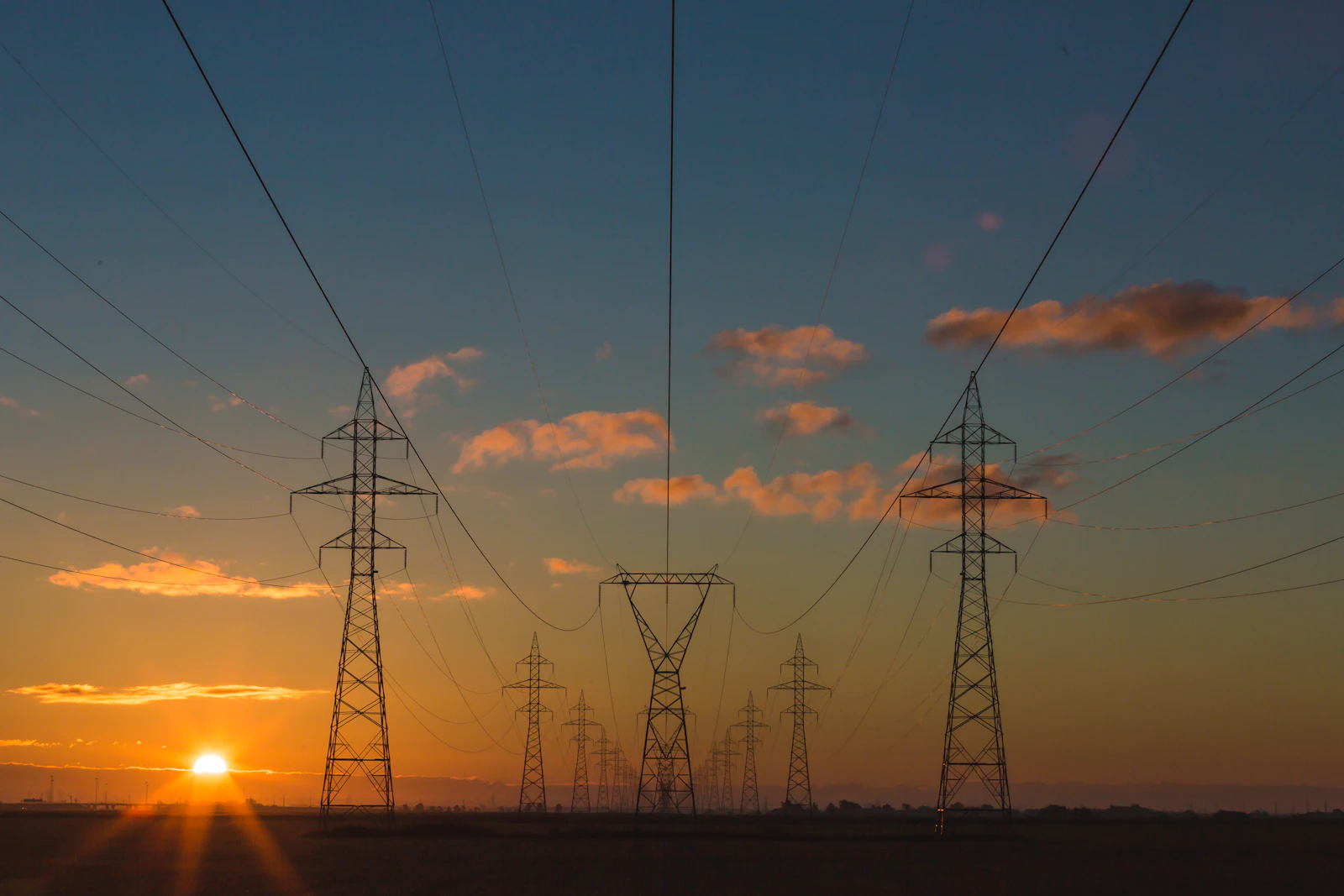
A $67 Billion Bet on the AI Power Boom
The deal lands at a moment when electricity has quietly become the strategic resource of the AI economy. Hyperscale data centers training and serving large language models are pushing U.S. power demand to growth rates not seen since the post-war industrial expansion of the 1950s.
Florida-based NextEra was already the world's biggest developer of wind and solar. Virginia-based Dominion is the utility that powers "Data Center Alley" in Northern Virginia — the largest concentration of data centers on the planet, where more than 70% of global internet traffic is estimated to flow.
Put those two together, and you get a single company with the generation pipeline, transmission footprint, and regulatory relationships to feed the next decade of AI infrastructure.
Deal at a Glance
- Transaction value: Approximately $67 billion, all-stock
- Announced: May 18, 2026
- Ownership split: NextEra shareholders 74.5%, Dominion shareholders 25.5%
- Combined customer accounts: Roughly 10 million across FL, VA, NC, SC
- Generation capacity: Around 110 gigawatts
- Trading symbol: Continues under NextEra's NYSE ticker
Why Now: The Data Center Energy Crunch
For most of the past 20 years, U.S. electricity demand was essentially flat. Efficiency gains in lighting, appliances, and industry roughly cancelled out population growth. Then came generative AI.
Grid operators now project that U.S. power demand could rise by double digits this decade, with data centers, electrification of transport, and onshoring of manufacturing all pulling in the same direction. Virginia alone is forecasting load growth that would have been unthinkable five years ago, and grid interconnection queues are stretched into the 2030s.
That has put utilities — long treated as boring, slow-growing income stocks — back at the center of the technology story. Tech companies are signing record power-purchase agreements, paying premiums for clean electrons, and even funding nuclear restarts. The NextEra-Dominion combination is the most ambitious response yet to that demand surge.

What the Combined Company Will Look Like
By the numbers, the merged utility is unlike anything that has existed in the U.S. power industry. According to figures shared by both companies, it would become:
- The world leader in renewable generation and battery storage
- The U.S. leader in natural gas-fired power generation
- The #2 operator of nuclear power plants in the country
- A regulated utility serving four high-growth Sun Belt and Mid-Atlantic states
That mix matters. AI workloads need power around the clock, which means renewables alone — without storage or firm backup — can't do the job. The combined company will own a rare portfolio that spans wind, solar, batteries, gas, and nuclear, giving it flexibility few competitors can match.
Leadership Structure
NextEra CEO John Ketchum will lead the combined company. Dominion CEO Robert Blue will run the regulated utilities business and join the board. The Dominion brand will be retained for customer-facing operations in Virginia and the Carolinas, while the parent company will trade under NextEra's name and ticker.
The Hurdles: Regulators, Ratepayers, and Politics
A deal this size will not close quietly. Approval will require sign-off from federal regulators, including the Federal Energy Regulatory Commission and the Department of Justice, plus public utility commissions in every state Dominion operates in. Past mega-mergers in the power sector have taken 18 to 24 months to clear that gauntlet, and several have been blocked outright.
The political backdrop adds another layer. Residential electricity rates have climbed sharply in regions hosting data centers, and consumer advocates argue that ordinary households are subsidizing the AI buildout. Expect Virginia's State Corporation Commission and the Florida Public Service Commission to ask sharp questions about who pays for new transmission and generation.
Key Risks to Watch
- Antitrust scrutiny over market concentration in renewables and gas
- Ratepayer protections requested by state regulators
- Integration risk from merging two giant, very different operating cultures
- Interest-rate exposure on the combined company's significant capex pipeline
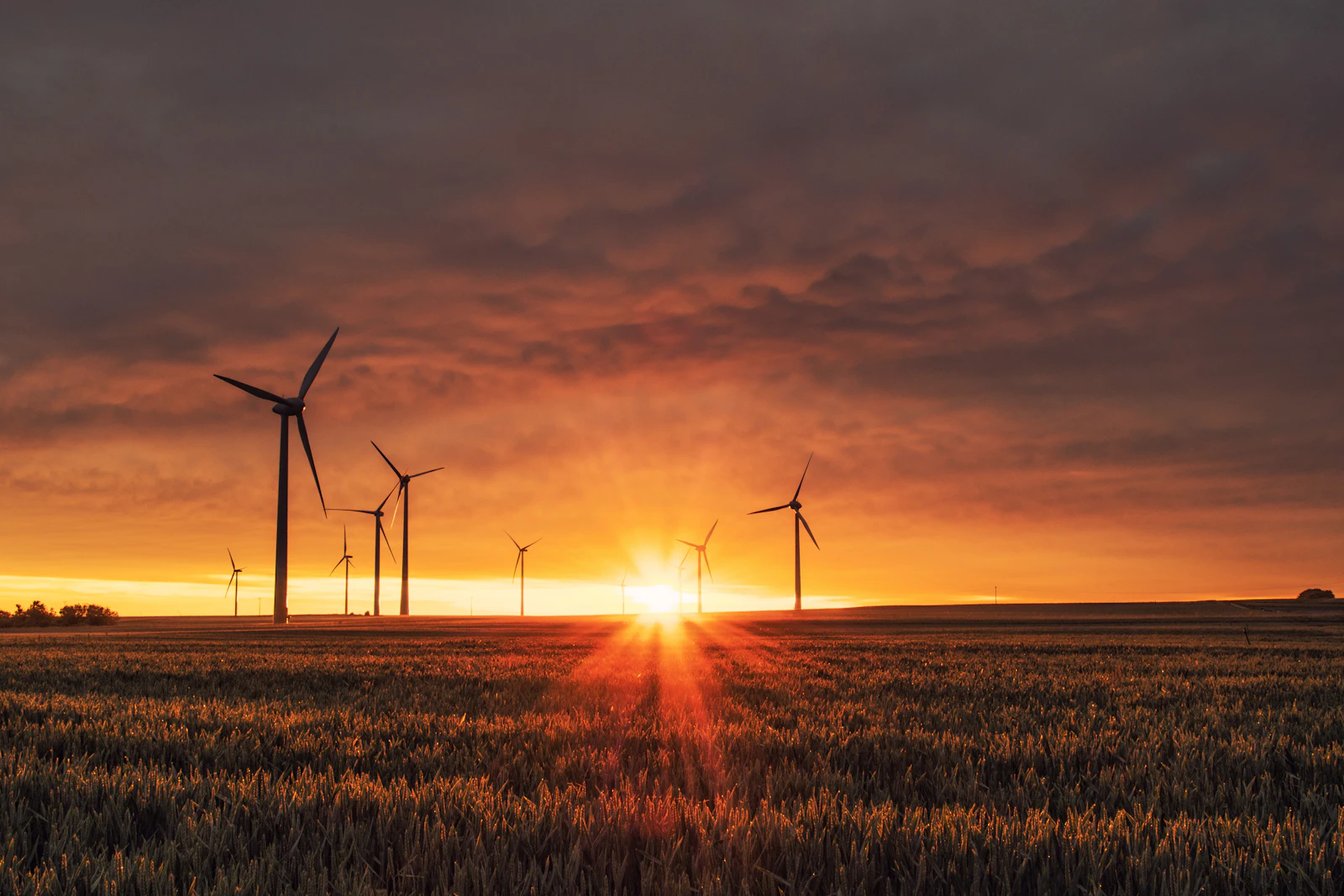
What It Means for Investors, Tech Buyers, and Consumers
For investors, the merger signals that the boundary between "tech" and "utility" is dissolving. NextEra is effectively positioning itself as the picks-and-shovels play of the AI era — the company you own if you believe AI demand is structural, but you don't want to bet on which model or chipmaker wins.
For hyperscalers and AI startups, the deal narrows the field. Anyone trying to site a multi-gigawatt training campus in the eastern U.S. now negotiates with a smaller list of suppliers — and one of them has just become very large. Expect to see longer-term, larger-volume power deals signed at the executive level.
For everyday consumers, the impact is more ambiguous. A bigger utility can spread capital costs more efficiently and finance the grid upgrades the country urgently needs. But it also concentrates pricing power. Whether that translates into lower bills, higher reliability, or simply a bigger lobbying voice will depend on how regulators write the merger conditions.
The Bottom Line
The NextEra-Dominion merger is more than a corporate transaction. It is a declaration that the U.S. power industry — long fragmented, regional, and risk-averse — intends to scale up to meet the AI moment. If approved, the combined company will sit at the center of nearly every major energy story of the next decade: renewables, nuclear, storage, gas, transmission, and the data centers that increasingly define America's economic future.
It is also a reminder that the AI boom is not just a software story. Behind every chatbot is a turbine, a transformer, and a transmission line — and somebody has to build them.
Your turn: Do you think regulators should approve a utility this large in the middle of an AI infrastructure race — or break the deal up to protect ratepayers? Share your view in the comments, and subscribe for daily coverage of the technologies and businesses powering the next decade.
Post a Comment