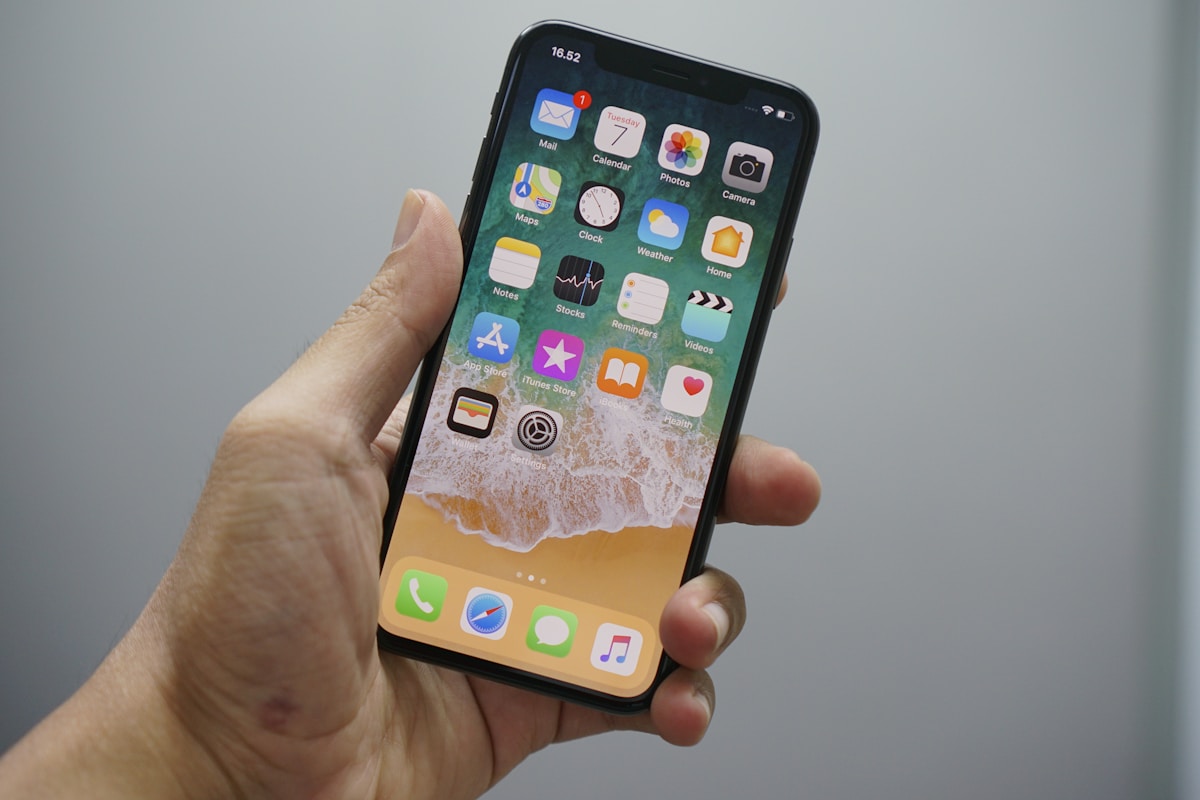
The Taptic Engine inside every modern iPhone is at the heart of the case. (Photo: Unsplash)
Every time your iPhone gives a gentle tap when you get a notification, you are feeling a piece of technology that just became very expensive for Apple. A federal jury in San Diego has ordered the company to pay more than $5.7 billion to Taction Technology, a small local haptics firm, after finding that Apple's Taptic Engine infringed two of its patents.
The verdict, returned on Friday, September 25, is being called the largest patent verdict in US history. It has dominated tech and legal headlines through the weekend, and Apple has already said it will fight back.
What Happened in the Apple Taction Verdict
The trial began on September 14 in the US District Court for the Southern District of California. After roughly two weeks of testimony, the seven-member jury deliberated for about two days before siding with Taction.
Jurors found that Apple infringed claims in both patents at issue. Those patents describe ways of producing vibrations a user can physically feel, the core idea behind modern haptic feedback.
Key facts at a glance
- Damages: More than $5.7 billion awarded to Taction Technology.
- Patents: US Patent Nos. 10,659,885 and 10,820,117, both covering vibration-based tactile transducer technology.
- Accused product: Apple's Taptic Engine, used in iPhones and Apple Watches.
- Willfulness: The jury found Apple did not infringe on purpose, so Taction cannot seek enhanced damages.
- Next step: Apple says it will appeal.
Who Is Taction Technology?
Taction is a San Diego-based company that builds haptic technology for headphones and gaming headsets. Its products aim to let listeners feel bass and sound effects, not just hear them.
The company first sued Apple in 2021. The road to trial was long: a judge ruled in Apple's favor in 2023, but the US Court of Appeals for the Federal Circuit revived the case, sending it back for a jury to decide.
Taction's lead lawyer, Lance Yang, told CNBC that the company had waited five and a half years to get its day in court, calling the result "a long time coming."
Backed by litigation finance
According to Bloomberg Law, investment vehicles linked to litigation funder Burford Capital financed Taction's case. Funders like Burford cover the costs of expensive lawsuits in exchange for a share of any damages.
That detail matters. Litigation funding lets small patent holders take on the world's biggest companies, but critics argue it also fuels high-stakes suits that can burden innovation. Expect this case to become a talking point in that debate.
The $5.7 billion award more than doubles the previous US patent record. (Photo: Unsplash)
Apple Pushes Back: "Fundamentally Different"
Apple rejected the verdict in a statement, saying it strongly disagrees with both the finding and the damages. The company argued that its Taptic Engine is "fundamentally different" from Taction's technology and claimed Taction's own testing of Apple products confirmed this during trial.
Apple plans to challenge the award first through post-trial motions before the trial judge, and then at the Federal Circuit. Until those steps play out, the $5.7 billion figure is not final.
How It Compares to Other Record Patent Verdicts
To understand how big this is, look at the previous high-water mark. In 2021, a Texas jury ordered Intel to pay $2.18 billion to patent holder VLSI Technology. That verdict was later thrown out on appeal.
The Taction award is more than double that figure. It also dwarfs the roughly $1 billion Apple won against Samsung in their famous 2012 smartphone design battle, a number that was itself cut down in later proceedings.
The lesson from history is clear: headline jury numbers often shrink. Judges can reduce damages they consider excessive, and appeals courts frequently revisit both liability and the math behind the award.
What the Taptic Engine Actually Does
Apple introduced the Taptic Engine to replace traditional vibration motors with a more precise linear actuator. Instead of a crude buzz, it can produce crisp, short taps that feel almost like a physical button press.
You feel it in many everyday moments:
- Notification alerts and incoming calls
- Haptic Touch and long-press menus on iPhone
- Wrist taps for messages, timers and fitness goals on Apple Watch
- Subtle feedback when scrolling pickers or toggling switches
Because haptics are built into hundreds of millions of devices, a patent covering how those vibrations are produced can carry enormous value, which helps explain the size of the award.
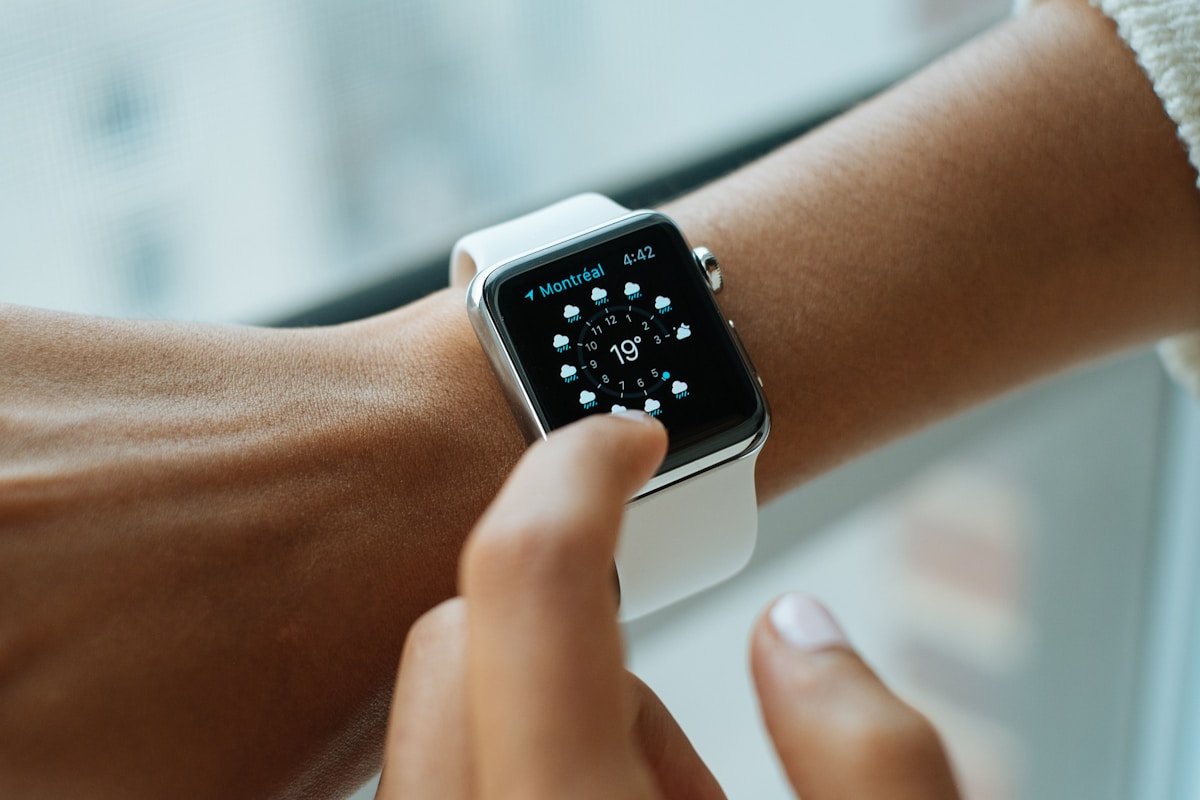
Apple Watch wrist alerts also rely on the Taptic Engine. (Photo: Unsplash)
What This Means for Apple and iPhone Users
For Apple
Apple has the financial strength to absorb a multibillion-dollar hit, but the verdict still carries weight. It could influence licensing negotiations, encourage similar claims from other patent holders, and draw investor attention while the appeal unfolds.
For consumers
For now, nothing changes for iPhone and Apple Watch owners. Jury damages do not trigger a product ban, and your device's haptics will keep working exactly as before. Any long-term impact would depend on appeals and possible licensing deals.
For the patent system
The case adds fuel to a long-running debate. Supporters say it shows that small inventors can win against tech giants. Critics argue that massive, funder-backed verdicts create uncertainty for companies building complex products that rely on thousands of patents.
What Happens Next
The next few months will focus on post-trial motions in San Diego, where Apple is expected to ask the judge to overturn the verdict or reduce the damages. Whatever the outcome, an appeal to the Federal Circuit appears likely from either side.
That process can take a year or more. Given how often record verdicts have been trimmed or reversed, the final number Apple pays, if anything, may look very different from $5.7 billion.
Conclusion
The Apple Taction verdict is a landmark moment for patent law and a reminder that even the smallest features on our phones can be worth billions. Whether the record award survives appeal is an open question, but the case has already reshaped the conversation around haptics, litigation funding and Big Tech's patent battles.
What do you think? Should a small company be able to win billions over a feature like haptic feedback, or are verdicts like this too large? Share your view in the comments, and follow the blog for updates as Apple's appeal moves forward.
Sources: CNBC, The Next Web, Law360, Bloomberg Law, AppleInsider, 9to5Mac.
Post a Comment