Greenland rarely dominates global headlines two days in a row — but this week, the world's largest island has become the stage for a high-stakes contest of money, military muscle, and political loyalty. On Monday, European Commission President Ursula von der Leyen landed in Nuuk with a $232 million (€200 million) investment package, just as roughly 400 troops from NATO countries kicked off the Arctic Shield exercise across Greenland's land, sea, and airspace. The message to Washington was hard to miss.
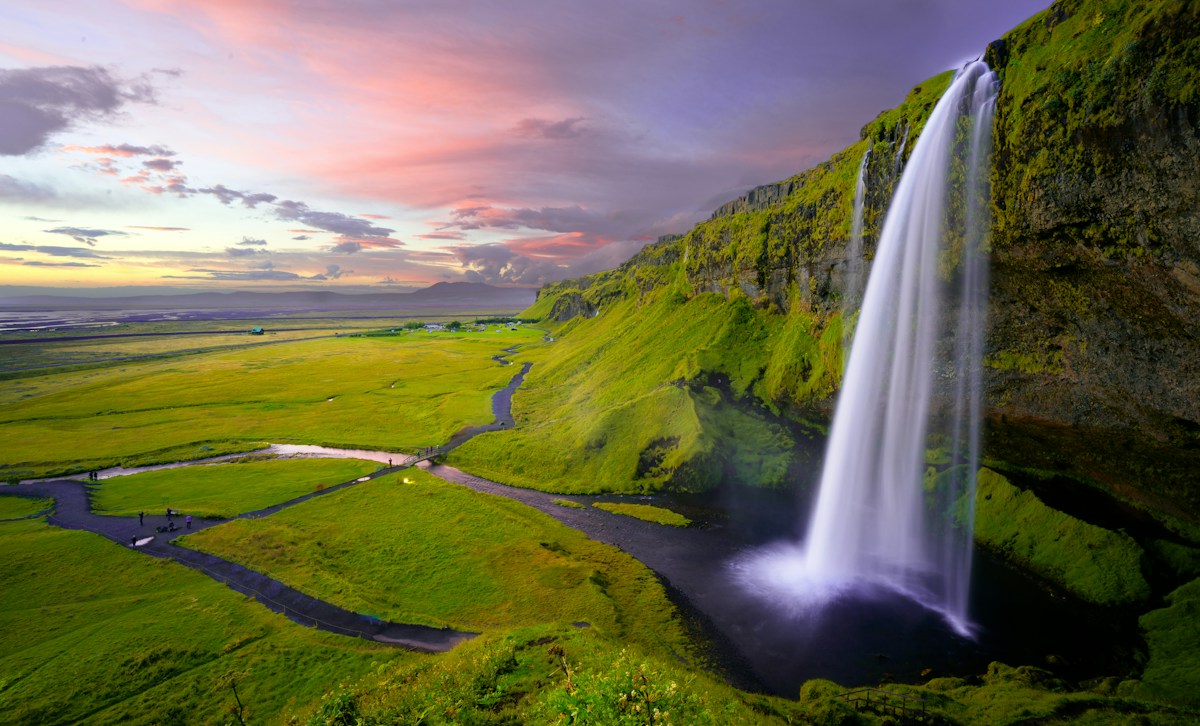
Why Greenland Is Suddenly the Center of Attention
The backdrop is U.S. President Donald Trump's repeated insistence that the United States should control Greenland for national security reasons — rhetoric that has rattled both Nuuk and Copenhagen. Greenland is a self-governing territory of Denmark, a NATO ally, and its strategic value has soared as melting Arctic ice opens new shipping lanes and exposes vast mineral wealth.
Against that backdrop, the European Union is moving to anchor Greenland firmly within the European family. On September 7, von der Leyen, Danish Prime Minister Mette Frederiksen, and Greenland's Premier Jens-Frederik Nielsen signed a joint declaration in Nuuk promising a "stronger partnership" between Brussels and the Arctic territory.
Inside the $232 Million EU Greenland Partnership
The EU Greenland partnership package is designed to deliver visible benefits quickly. Spread over the next two years, the funding targets the everyday infrastructure gaps that matter most to Greenland's roughly 57,000 residents:
- Energy: upgrades to hydropower plants to cut reliance on imported fuel
- Connectivity: faster, more resilient internet for remote communities
- Climate resilience: support for adapting to rapid Arctic warming
- Fisheries: investment in the industry that anchors Greenland's economy
- Education: funding to build local skills and opportunity
Brussels is also thinking longer term. The Commission has proposed doubling direct EU aid to Greenland to €530 million under the bloc's next budget cycle, which runs from 2028 to 2034. Taken together, the signals suggest the EU wants a durable economic foothold in the Arctic — not a one-off goodwill gesture.
Arctic Shield: NATO's Pointed Military Signal
While diplomats signed papers in Nuuk, soldiers were fanning out across the island. The Arctic Shield exercise, running from September 7 to 18, brings together military personnel from eleven NATO countries to practice defending Greenland by land, sea, and air. Special forces trained for extreme Arctic conditions — from Canada, Denmark, and Finland among others — are taking part.
One detail stands out: no U.S. troops are participating. In an alliance built around American leadership, a Greenland defense exercise without the United States is a striking choice — widely read as Europe demonstrating it can secure the Arctic with or without Washington's blessing.
What the Exercise Involves
- Around 400 personnel from eleven NATO member states
- Land, maritime, and air defense scenarios across Greenlandic territory
- Special forces operations in harsh Arctic terrain
- A twelve-day window, September 7–18, led by Denmark
Analysis: A Tug-of-War for the Arctic's Future
The simultaneous timing of the investment announcement and the military drills is no coincidence. Europe is executing a two-track strategy: make Greenland economically closer to Brussels while proving that its defense does not depend on U.S. ambitions to own it.
For Greenlanders, the moment is double-edged. Polling has consistently shown that residents overwhelmingly oppose becoming part of the United States, yet many also want greater independence from Denmark. The EU's offer — money, partnership, and respect for self-government — is calibrated to appeal to both instincts. Premier Nielsen has welcomed the partnership as a sign that Greenland can choose its own friends.
For NATO, the episode exposes an awkward reality: the alliance is rehearsing the defense of territory that one of its own members has talked about acquiring. How Washington responds — with reassurance, indifference, or escalation — will shape Arctic politics well beyond this news cycle.
What to Watch Next
- U.S. reaction to the EU declaration and the American-free exercise
- Progress of the EU budget proposal to double Greenland aid by 2028
- Greenland's independence debate, which the new EU money could reshape
- Russian and Chinese activity in the Arctic as NATO raises its profile
The Bottom Line
A $232 million check and 400 soldiers won't settle the question of Greenland's future by themselves. But together they mark the clearest statement yet that Europe intends to compete — economically and militarily — for influence over the Arctic's most coveted island. The era when Greenland was a quiet footnote in world affairs is over.
What do you think — should Greenland deepen ties with the EU, pursue full independence, or something else entirely? Share your take in the comments below, and follow the blog for daily briefings on the stories shaping our world.
Post a Comment