The Moon is about to steal the spotlight. On Wednesday, August 12, 2026, the only total solar eclipse of the year will sweep across the Arctic and into Europe, plunging parts of Greenland, Iceland, and Spain into daytime darkness for up to two minutes and 18 seconds. For sky-watchers who missed 2024's blockbuster eclipse over North America, this is the next chance to see the Sun's ghostly corona with the naked eye — and for millions more, it's a free, spectacular livestream away.
What Makes the August 12 Eclipse Special
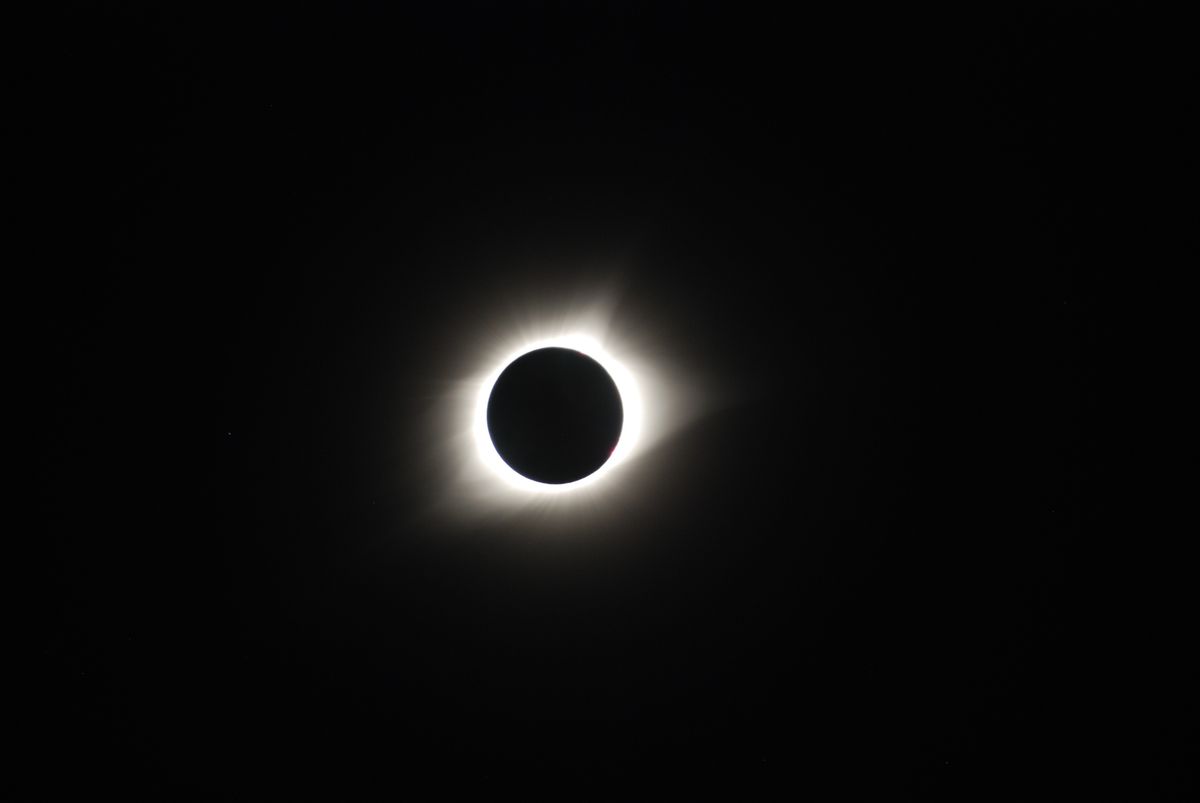
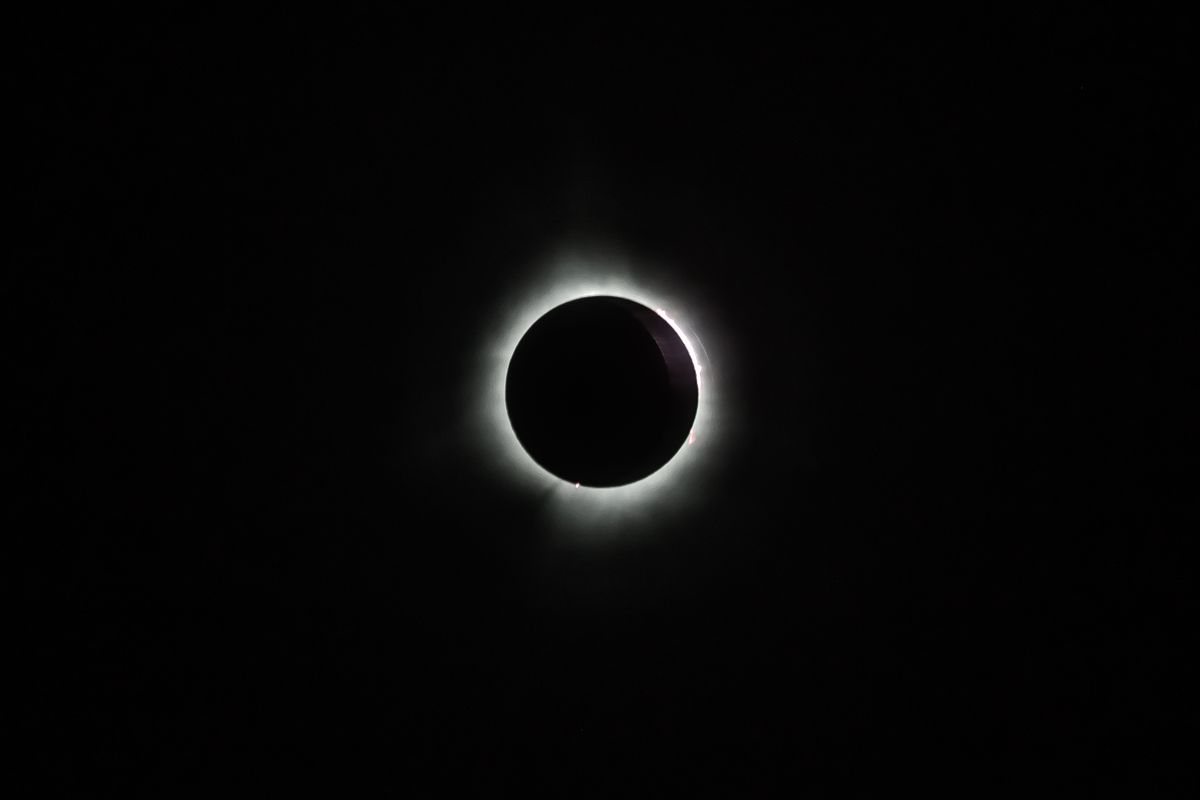
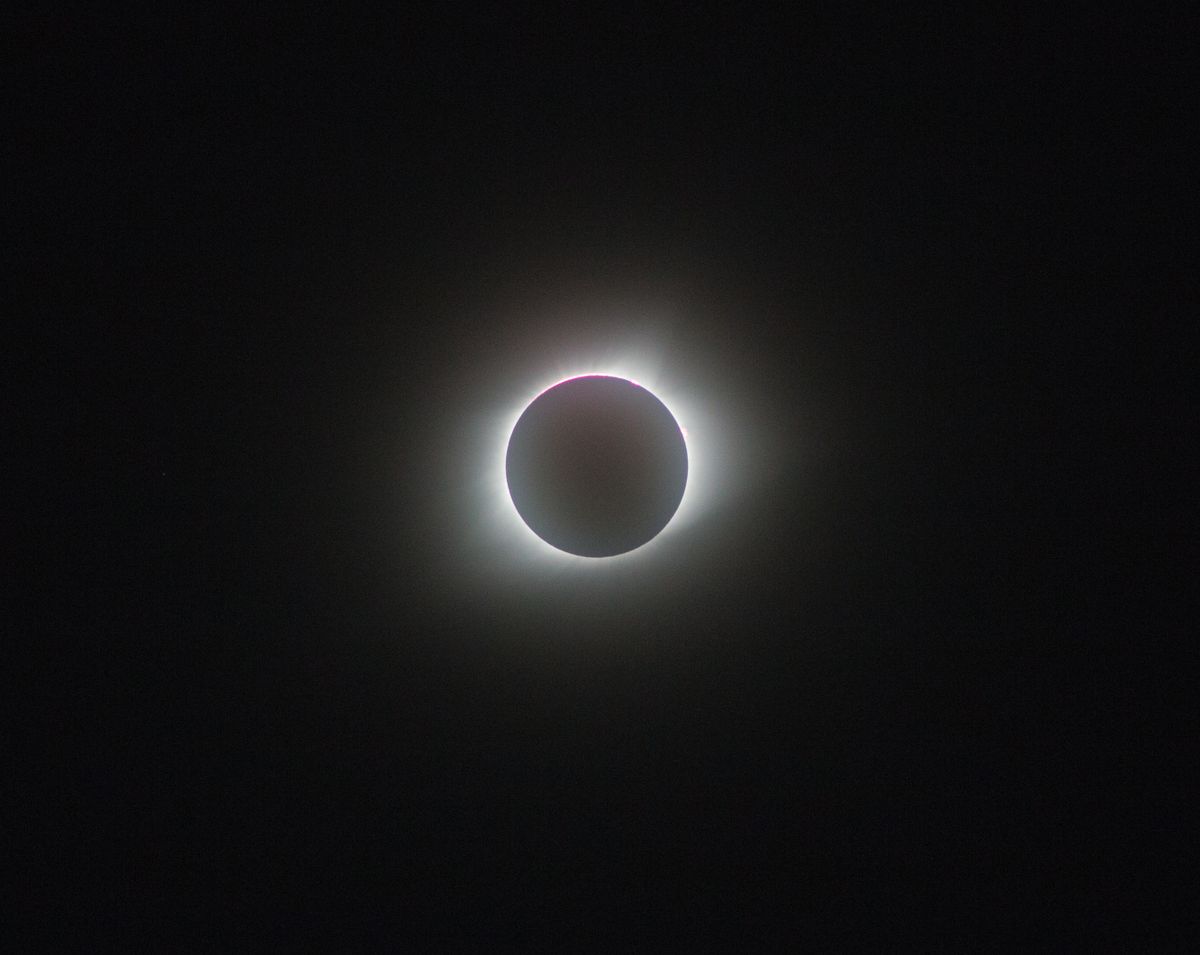
A total solar eclipse happens when the Moon passes directly between the Sun and Earth, completely blocking the solar disk and revealing the Sun's outer atmosphere, or corona, as a shimmering halo. It's one of the most dramatic sights in nature — the sky darkens, temperatures drop, and stars can appear in the middle of the day.
This year's event is notable because its path of totality is unusually remote. Rather than crossing a densely populated continent, the Moon's shadow will race across the Arctic Ocean and touch down over some of the most scenic — and sparsely inhabited — terrain on Earth.
Path of Totality: Where to See It
According to NASA and eclipse-tracking sites, the path of totality will cross:
- Siberia, Russia — the eclipse begins over remote northern Russia.
- Greenland — the shadow crosses the island's rugged eastern coast in early afternoon.
- Iceland — totality reaches the western fringes, including the Snæfellsnes peninsula, with Reykjavík experiencing totality at roughly 5:48 p.m. local time.
- Spain and Portugal — the shadow makes landfall in northern and western Spain around 8:27 p.m. local time, with totality lasting up to 110 seconds before the eclipse ends near sunset.
Outside the narrow path of totality, a partial eclipse will be visible across a much wider swath of Europe, North Africa, and parts of the eastern United States and Canada in the early morning hours, weather permitting.
Key Times to Know
- The Moon's shadow first touches Earth at approximately 15:34 GMT (11:34 a.m. ET).
- Greenland sees totality by roughly 1:30 p.m. ET.
- Iceland's totality peaks around 17:45–17:48 local time (5:45–5:48 p.m.).
- Spain's totality arrives around 20:27–20:30 local time, with the Sun low on the horizon.
- Maximum totality duration for the entire eclipse: 2 minutes, 18 seconds.
How to Watch: In Person or Online
If you're not lucky enough to be standing in Reykjavík or northern Spain on Wednesday, you don't have to miss out. Several organizations are running free, high-quality livestreams:
- NASA streams live coverage starting at 1:15 p.m. ET on nasa.gov/live, YouTube, and social platforms.
- Time and Date begins its YouTube broadcast at 12:00 p.m. ET with views from León, Spain, and Mallorca.
- The Virtual Telescope Project starts at 1:20 p.m. ET with robotic telescope feeds from Italy and Spain.
- The European Space Agency streams from 19:30 CEST via ESA Web TV and YouTube.
Eye Safety Reminder
Anyone viewing the partial phases of the eclipse in person needs certified eclipse glasses (ISO 12312-2 standard) or a pinhole projector — regular sunglasses are not safe. It's only safe to look directly at the Sun with the naked eye during the brief window of full totality, and only within the path of totality itself.
Why It Matters Beyond the Spectacle
Total solar eclipses aren't just photo opportunities — they're valuable windows for science. During totality, researchers can study the Sun's corona, which is normally washed out by the Sun's brightness, to better understand solar wind and space weather that can affect satellites and power grids on Earth. Eclipse tourism also brings a meaningful economic boost to host regions; Iceland and northern Spain are bracing for a surge of visitors, hotel bookings, and local tour packages timed to the event.
The remoteness of this eclipse's path also makes it a reminder of just how rare and geographically specific these events are. The next total solar eclipse won't occur until 2027, when the path of totality crosses parts of North Africa and the Middle East — making Wednesday's event a must-see for eclipse chasers before a long wait.
The Bottom Line
Wednesday's total solar eclipse is a rare, fleeting spectacle — just over two minutes of totality shared between the Arctic wilderness and the coasts of Iceland and Spain. Whether you're planning a trip to the path of totality or simply want to catch the moment on a livestream from your couch, mark your calendar: the show starts in the early afternoon Eastern time and wraps up by early evening in Europe.
Don't miss it: set a reminder for the NASA livestream, grab a pair of certified eclipse glasses if you're in the path, and look up — the next total solar eclipse isn't until 2027.
Image sources: Pexels (pexels.com), royalty-free.
Post a Comment