Floodwater is still rising across central Indiana this week, and the numbers tell a grim story: at least six people dead, a river record that had stood since 1913 broken, more than 150,000 homes without power, and a president signing off on federal disaster aid. What began as a slow-moving storm system nearly a week ago has turned into one of the worst flooding disasters the state has seen in generations.
Here's what happened, why it matters, and what comes next for the thousands of families now picking through waterlogged homes.
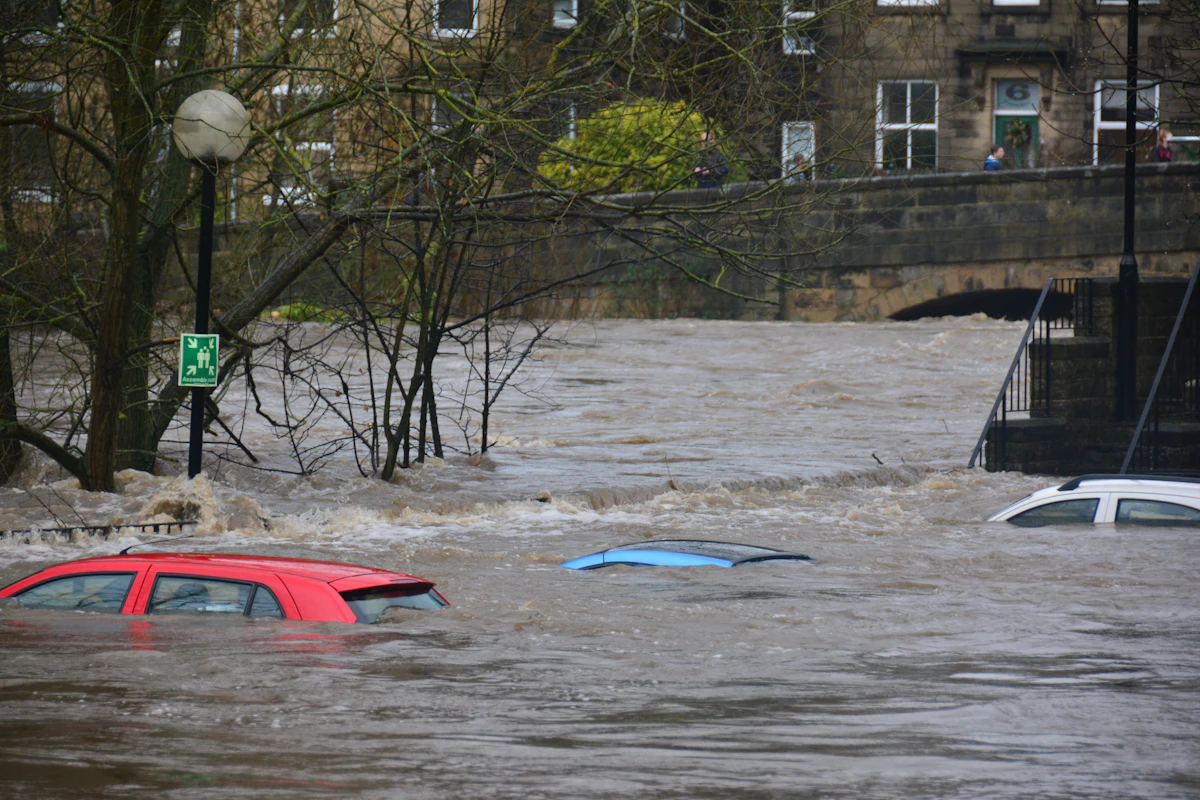
Photo source: Unsplash (search "flood street" at unsplash.com/s/photos/flood)
A Week of Rain That Wouldn't Stop
The disaster traces back to August 11, when a stalled storm system parked itself over the Ohio Valley and refused to move. Over the following days, parts of eastern Indiana recorded more than 11 inches of rainfall — roughly a third of what the region typically sees in an entire year, compressed into less than a week.
The rain didn't fall in isolation. Indiana was also hit by periodic tornadoes and a derecho, a fast-moving band of destructive straight-line winds, compounding the damage from swollen rivers and creeks.
A Record That Stood for 113 Years
The clearest sign of how extreme this event has been: the White River in Anderson, Indiana, crested at 24.9 feet, surpassing a flood mark that had held since 1913. Indianapolis Mayor Joe Hogsett called it the city's worst flooding in more than three decades.
By the Numbers
- 6+ deaths confirmed by the Indiana Department of Homeland Security since the storm system arrived on August 11
- 150,000+ homes and businesses left without power at the peak of the storms
- 24.9 feet — the record crest of the White River in Anderson, breaking a 1913 benchmark
- 11+ inches of rain recorded in parts of eastern Indiana in under a week
- 53 counties now covered under the federal emergency declaration
- Hundreds evacuated across Indianapolis and suburbs including Carmel, where residents of an assisted-living facility had to be moved to safety

Photo source: Pexels (search "flood rescue" at pexels.com/search/flood%20rescue)
The State and Federal Response
Indiana Governor Mike Braun declared a statewide disaster emergency as floodwaters climbed, unlocking state resources for rescue and shelter operations. Within days, President Trump approved an emergency declaration for Indiana, clearing the way for the Federal Emergency Management Agency (FEMA) to reimburse 75% of eligible emergency response costs — including search-and-rescue operations and emergency sheltering — across 53 counties.
That federal cost-share is significant for local governments already stretched thin by overtime for first responders, emergency shelters, and debris removal. It does not, on its own, provide direct payments to individual homeowners — that typically requires a separate major disaster declaration and FEMA Individual Assistance designation, which officials say they are still assessing.
More Rain on the Way
The National Weather Service has warned that the danger isn't over. Additional rounds of heavy rain were forecast through the weekend across the Ohio Valley, the broader Midwest, and into the central Appalachians. Flash flood and flood warnings remained active across central Illinois and central Indiana, while flood watches stretched from Iowa and Missouri eastward to central West Virginia — meaning already-saturated ground has little capacity left to absorb more water.
Why This Flood Feels Different
Indiana has seen serious flooding before, but meteorologists and local officials point to a few factors that made this event unusual: the sheer volume of rain packed into a matter of days, a storm system that stalled instead of moving through, and the fact that it followed closely on the heels of tornadoes and a derecho that had already stressed infrastructure and emergency crews.
Climate scientists have consistently noted that a warmer atmosphere holds more moisture, which can translate into heavier, more concentrated rainfall during storm events. That broader trend doesn't explain any single storm on its own, but it's part of the context researchers point to when a decades-old river record falls in a single week.
The Economic Toll
Beyond the human cost, flooding on this scale carries a steep price tag. Standard homeowners insurance policies typically do not cover flood damage, meaning many affected families will rely on separate flood insurance policies, federal aid, or out-of-pocket repairs. Local officials in hard-hit counties have started preliminary damage assessments, a required step before the state can request the broader federal disaster declaration that would open direct assistance for individual households.
Businesses along the White River corridor, including several in downtown Anderson, reported water entering ground-floor storefronts for the first time in living memory. Agricultural losses are also mounting, with corn and soybean fields across the flooded counties sitting underwater during a critical late-summer growth stage.
Frequently Asked Questions
Is this flooding connected to climate change?
No single storm can be attributed entirely to climate change, but scientists broadly agree that a warmer atmosphere holds more moisture, contributing to heavier rainfall during extreme weather events. Researchers will likely study this event as part of that longer-term pattern.
How can I apply for disaster assistance in Indiana?
Once individual assistance is authorized, residents can apply through DisasterAssistance.gov or by calling FEMA directly. Until then, state and county emergency management offices are the best source for shelter, food, and immediate relief resources.
What Happens Next
Recovery in the hardest-hit counties is expected to stretch on for weeks. Crews are working through debris removal, power restoration, and structural inspections on homes that sat in floodwater for days. State officials have said they are evaluating whether damage totals justify requesting the broader federal disaster declaration that would open direct individual assistance for displaced homeowners and renters.
In the meantime, hundreds of Hoosiers remain in shelters, and local officials are urging residents in low-lying areas to stay alert as additional rain moves through the region.
How to Help or Get Help
- Residents in affected counties can check eligibility for federal assistance at DisasterAssistance.gov once individual aid is authorized.
- Those wanting to support relief efforts can look to established organizations such as the American Red Cross or regional food banks operating in flood-affected counties.
- Sign up for local emergency alerts through your county's emergency management agency to stay informed as the weather situation evolves.

Photo source: Unsplash (search "storm river Midwest" at unsplash.com/s/photos/storm-river)
The Bottom Line
Indiana's flooding disaster is far from over. With record river levels, six confirmed deaths, a statewide emergency, and more rain in the forecast, officials across the Ohio Valley are bracing for the situation to worsen before it improves. For residents in the region, the message from emergency managers is simple: stay off flooded roads, heed evacuation orders, and monitor local alerts closely in the days ahead.
Have you been affected by the Indiana flooding, or are you tracking severe weather in your area? Share your experience in the comments, and check your local National Weather Service office for the latest warnings before heading out.
Post a Comment