A commercial oil tanker was set ablaze in the Strait of Hormuz on Monday evening after being struck by an unidentified projectile roughly eight nautical miles east of Limah, Oman. Within hours, crude prices ticked higher, insurers began re-pricing risk, and a fragile calm in the Gulf looked shakier than it has in weeks. Here is what we know so far — and why the Strait of Hormuz attack matters far beyond the Gulf.
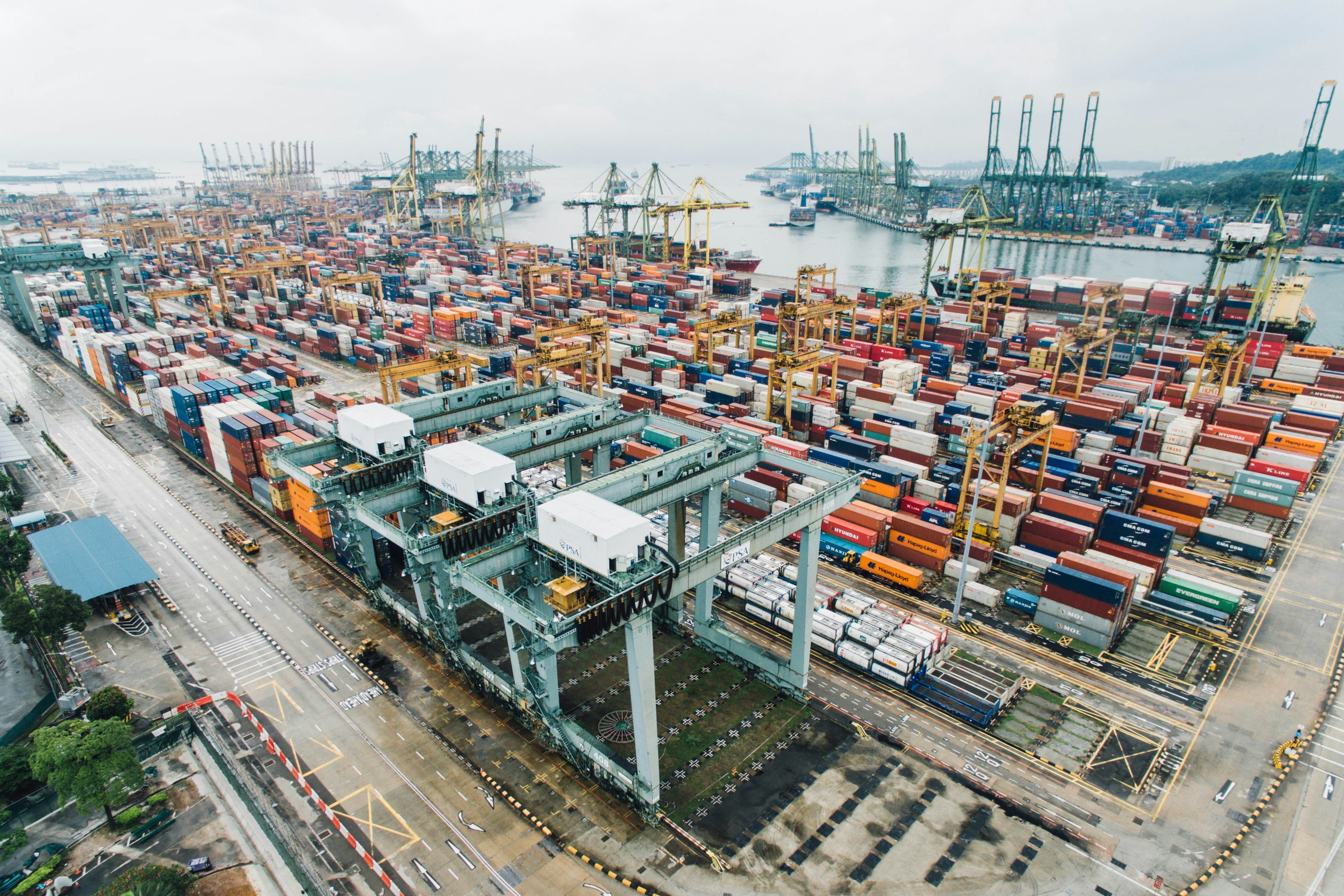
What Happened Off the Coast of Oman
According to maritime monitoring agencies and the British military's United Kingdom Maritime Trade Operations (UKMTO), the tanker was traveling southbound through the strait when it was hit, triggering an oil tanker fire on board. No casualties have been reported, and the crew is said to be accounted for.
The source of the projectile has not been officially confirmed. However, a CNBC report citing two unnamed U.S. officials said Iran fired at least two missiles at ships navigating the Strait of Hormuz on Monday evening. That claim has not been independently verified, and Tehran has not formally responded.
Key facts at a glance:
- Location: About 8 nautical miles east of Limah, Oman, near the Strait of Hormuz
- Damage: Fire on board after a projectile strike; no casualties reported
- Attribution: Unconfirmed; U.S. officials reportedly point to Iranian missiles
- Market reaction: Oil prices moved higher Tuesday morning as supply concerns returned
Why the Strait of Hormuz Matters So Much
The Strait of Hormuz is the world's most important energy chokepoint. The narrow waterway between Iran and Oman typically handles around 20% of global oil traffic, along with a significant share of liquefied natural gas shipments from Qatar.
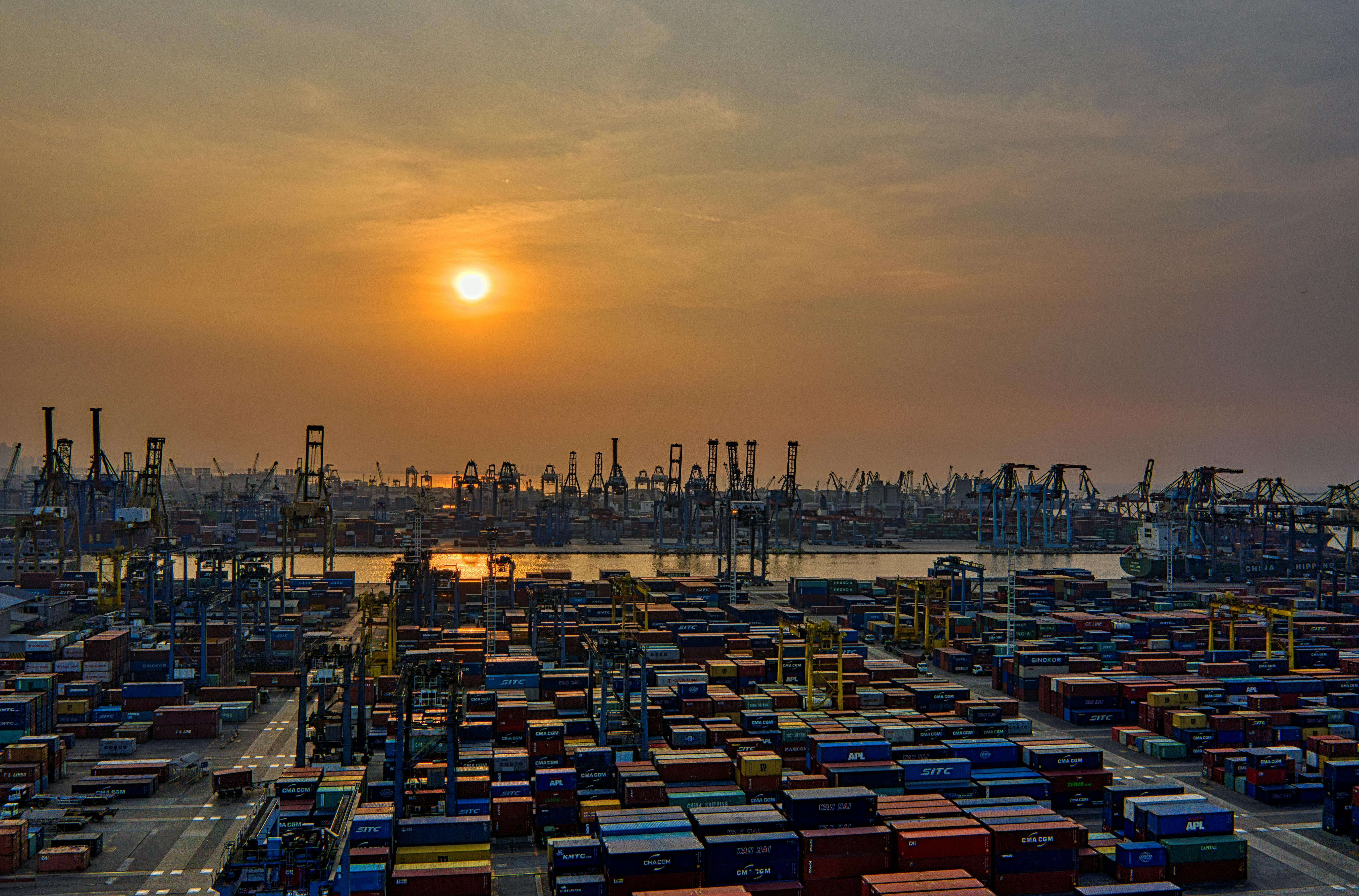
There is no practical alternative route for most of that volume. Pipelines across Saudi Arabia and the UAE can divert only a fraction of the flow. That is why even a single incident in the strait can ripple quickly into crude benchmarks, shipping insurance premiums, freight rates, and ultimately consumer prices for fuel and goods worldwide.
A Fragile Ceasefire in the Background
The attack lands at a delicate diplomatic moment. Washington and Tehran signed a memorandum of understanding last month aimed at winding down a nearly four-month war. But indirect talks concluded last week without visible progress toward a durable peace agreement, and this week Iran held the funeral of its slain supreme leader amid heated rhetoric on both sides.
This is also not an isolated event. Another vessel was struck by an unknown projectile near Oman in recent days, a pattern that suggests commercial shipping is once again being used as a pressure point while negotiations stall.
How Oil Markets Are Reacting
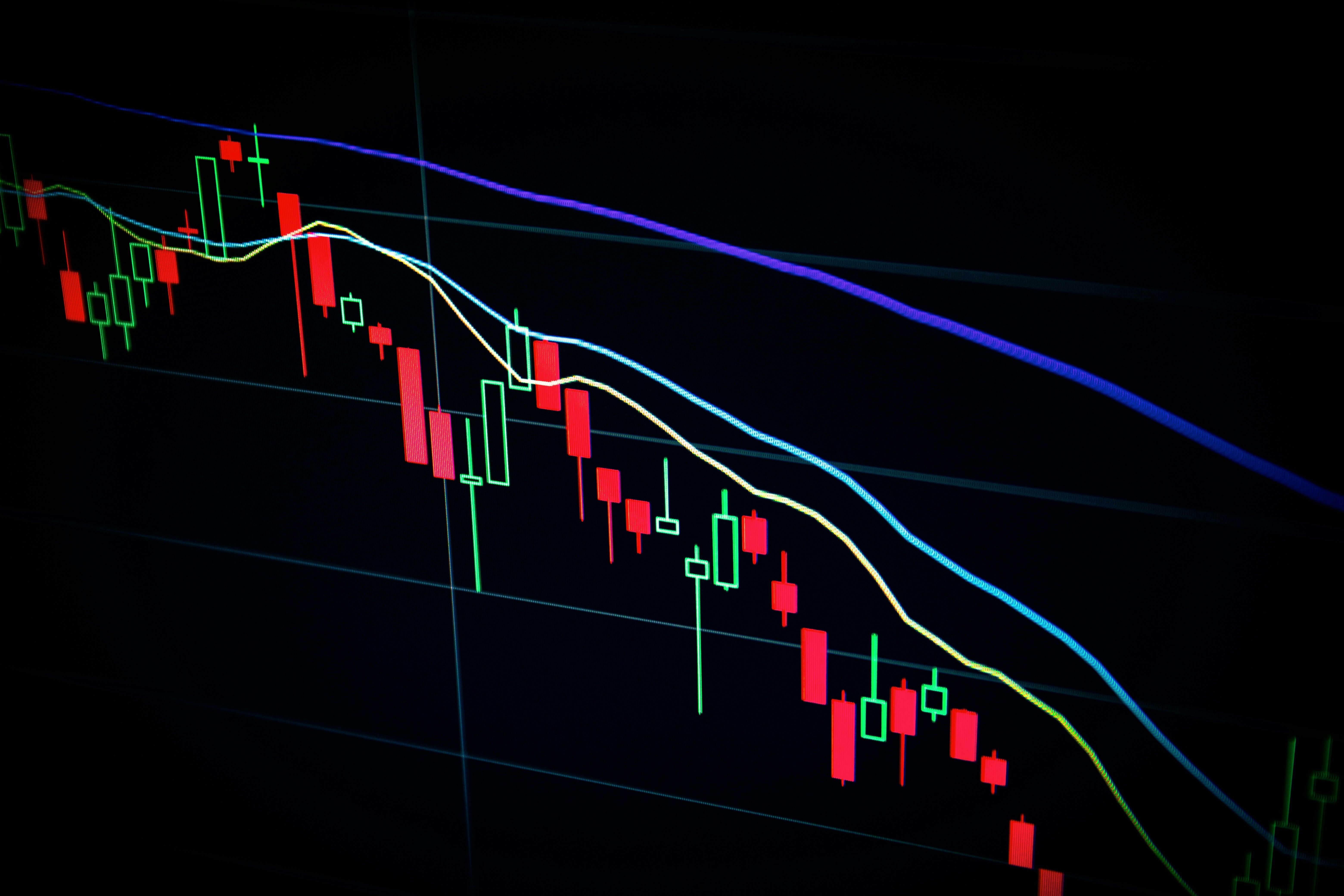
Crude futures edged higher on Tuesday after the reports emerged, extending a rebound that began when the earlier tanker incident snapped a four-day losing streak and lifted prices 2.3% in a single session. Traders describe the move as a classic geopolitical risk premium: the physical supply of oil has not yet been disrupted, but the probability of disruption has risen.
Beyond the headline price of crude, watch three second-order effects:
- War-risk insurance: Premiums for vessels transiting the strait tend to spike after attacks, raising the delivered cost of every barrel.
- Freight and rerouting: Some operators may slow transits, wait for convoys, or demand higher rates, tightening effective tanker supply.
- Inflation expectations: Sustained higher energy prices feed into fuel, airfares, and shipping costs — a headache for central banks watching inflation cool.
What Analysts Are Watching Next
The central question is attribution. If investigators or governments formally tie the strike to Iranian forces, pressure will mount on Washington to respond, and the tentative ceasefire framework could unravel. If the incident remains officially unattributed, markets may treat it as background noise — uncomfortable, but survivable.
Analysts also point to naval escort arrangements as a key signal. During previous "tanker war" episodes, the U.S. and allied navies escorted commercial vessels through the Gulf. Any announcement of renewed escorts would indicate that governments expect further attacks — and would likely calm insurers even as it confirms the threat.
What It Means for Consumers
For most people, the impact will show up — if at all — at the fuel pump and in shipping-sensitive prices over the coming weeks. A one-off incident rarely moves retail prices much. A sustained campaign against shipping in the strait would be a different story, potentially adding several dollars per barrel of risk premium and slowing the global disinflation trend.
For now, the balance of evidence suggests markets are pricing caution, not crisis. Brent and WTI remain well below their wartime peaks from earlier this year, and OPEC spare capacity provides some cushion if flows are briefly interrupted.
The Bottom Line
A burning tanker off Oman is more than a maritime accident — it is a stress test of a fragile U.S.–Iran ceasefire and a reminder that a fifth of the world's oil still squeezes through a waterway barely 21 miles wide at its narrowest point. The next few days of attribution, diplomacy, and naval posture will determine whether this stays a one-day headline or becomes the start of a new tanker war.
What do you think — is the Gulf headed for another tanker war, or will diplomacy hold? Share your take in the comments below, and follow the blog for daily briefings on the stories moving markets and geopolitics.
Post a Comment