A fast-growing outbreak of an intestinal illness has now reached 31 U.S. states, federal health officials say, and the source is still under investigation. The culprit is cyclosporiasis — an infection caused by the microscopic parasite Cyclospora — and reported cases have surged past initial federal counts as state health departments tally thousands of infections.
Here is what we know so far about the cyclospora outbreak of 2026: where it has spread, what symptoms to watch for, which foods have been linked to past outbreaks, and the practical steps you can take to lower your risk.
What Is Happening: The Outbreak by the Numbers
The Centers for Disease Control and Prevention said last week it had received reports of 843 confirmed cases of cyclosporiasis across 31 states. But the picture at the state level suggests the outbreak is considerably larger: a tally based on state health department data put the number at more than 3,000 cases as of July 10.
Key figures reported so far:
- 31 states have detected cases — more than half the country.
- 86 hospitalizations have been reported nationwide, with no deaths.
- Patients have ranged in age from 5 to 88 years old.
- The true case count is likely higher, since many people recover without ever seeing a doctor.
Health officials also caution that there is a natural lag between when someone gets sick and when their case is confirmed and reported, meaning the numbers may continue to climb in the coming weeks.
What Is Cyclosporiasis?
Cyclosporiasis is a gastrointestinal illness caused by Cyclospora, a single-celled parasite too small to see without a microscope. People become infected by consuming food or water contaminated with the parasite — it does not typically spread directly from person to person.
Symptoms to Watch For
The illness is best known for causing frequent, watery diarrhea, but the full symptom list is broader:
- Watery diarrhea, sometimes explosive and prolonged
- Nausea, stomach cramping, and bloating
- Fatigue and loss of appetite
- Weight loss and, in some cases, low-grade fever
Symptoms usually begin about a week after exposure. Without treatment, the illness can linger for weeks — and symptoms can appear to improve, then relapse. Infections are typically treated with antibiotics, so anyone with persistent digestive symptoms should contact a healthcare provider rather than waiting it out.
What Foods Are Under Suspicion?
Investigators have not yet identified the source of the current outbreak. That is not unusual at this stage — tracing contaminated produce back through the supply chain takes time, and Cyclospora is notoriously difficult to pin down.
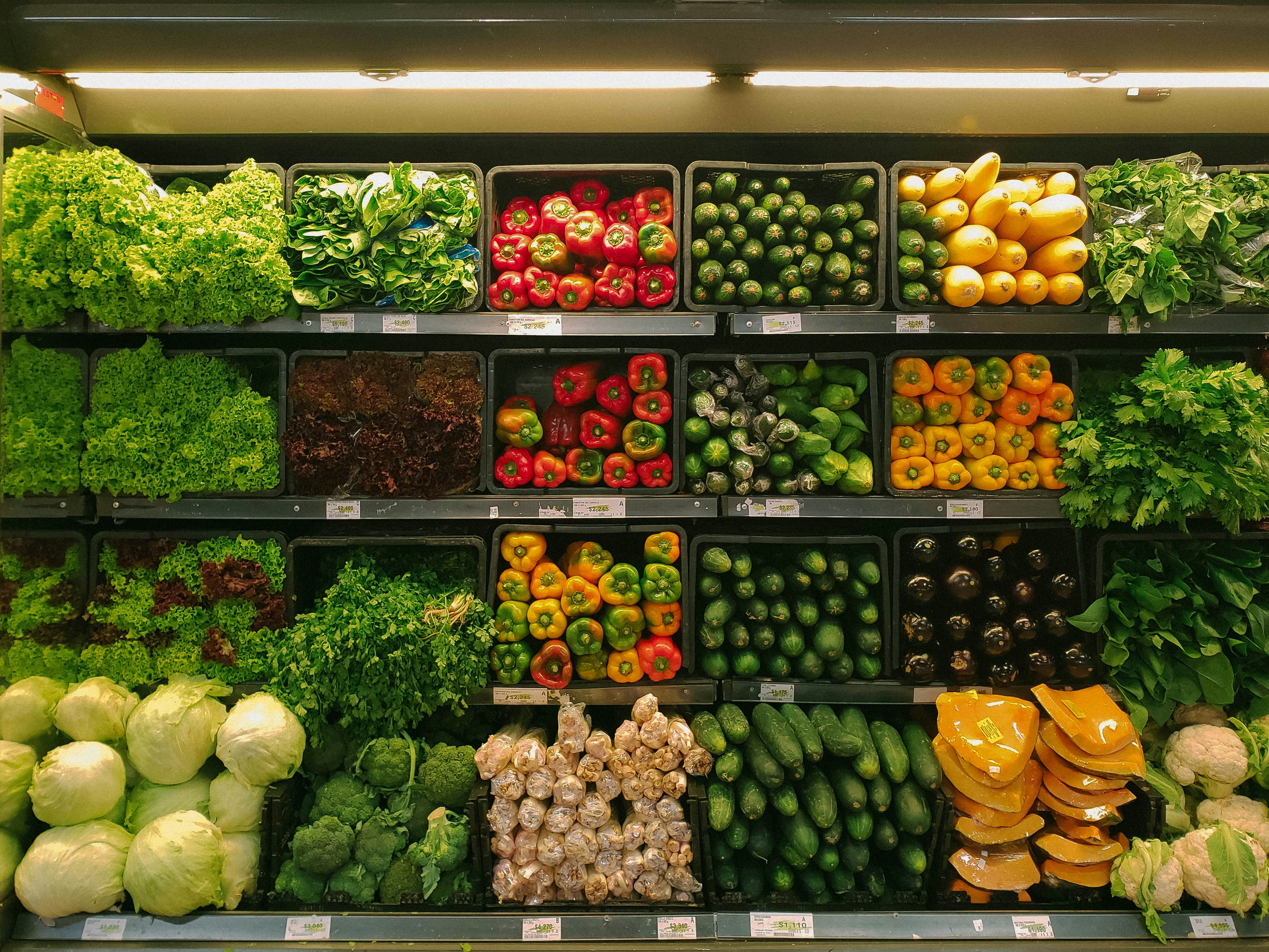
History offers strong clues, though. According to the Food and Drug Administration, previous U.S. cyclosporiasis outbreaks have been linked to fresh produce, including:
- Raspberries
- Fresh basil and cilantro
- Snow peas
- Lettuce and bagged salad mixes
These items are often eaten raw, which matters: heat kills the parasite, but washing alone may not remove it completely once produce is contaminated.
How to Protect Yourself and Your Family
Until investigators identify a specific product, health experts recommend sensible food-safety habits rather than avoiding fresh produce altogether:
- Cook when in doubt. Heating food to 158°F (70°C) or higher kills Cyclospora. Cooked produce carries essentially no risk from this parasite.
- Wash produce thoroughly under running water before eating, cutting, or cooking — it reduces risk even if it cannot guarantee removal.
- Keep an eye on recall notices. If investigators identify a source, the FDA and CDC will issue specific product advisories.
- See a doctor for lingering symptoms. Because cyclosporiasis requires specific antibiotics, a proper diagnosis matters — routine anti-diarrheal remedies won't clear the parasite.
Why Cases May Keep Climbing
Cyclosporiasis has a well-documented seasonal pattern in the United States, with cases peaking in the spring and summer months — exactly when fresh herbs, berries, and salad greens are most popular. The combination of peak season, a still-unknown source, and reporting lags means this outbreak's final footprint is likely to be larger than today's numbers suggest.
There is also a structural challenge: because many people experience only mild or moderate symptoms and never get tested, confirmed cases represent just a slice of actual infections. Public health officials say that gap is one reason outbreak investigations rely heavily on interviews with confirmed patients about what they ate.
Key Takeaways
- A cyclospora outbreak has spread to 31 states, with 843 CDC-confirmed cases and over 3,000 reported by state health departments.
- 86 people have been hospitalized; no deaths have been reported.
- The source is still under investigation; past outbreaks have been tied to fresh produce like raspberries, basil, cilantro, snow peas, and lettuce.
- Cooking produce to 158°F kills the parasite; persistent symptoms warrant a doctor's visit since antibiotics are the standard treatment.
The Bottom Line
This outbreak is a reminder that foodborne illness remains a moving target, even in a modern food system. The good news: no deaths have been reported, treatment is effective, and simple kitchen habits meaningfully reduce your risk while investigators work to identify the source.
Want updates as the investigation develops? Bookmark this blog and subscribe — we'll cover the source announcement, any recalls, and the latest case numbers as health officials release them. Stay safe, and wash those greens.
Post a Comment