A Weight-Loss Breakthrough That Skips the Brain Entirely
What if you could lower blood sugar and burn fat without losing your appetite — or your muscle? Swedish researchers say they have developed an experimental pill that does exactly that, and early human trial results suggest it is safe and well tolerated.
The findings, published this week in the journal Cell, come from scientists at Karolinska Institutet and Stockholm University. Unlike blockbuster injections such as Ozempic and Wegovy, the new drug never touches hunger signals in the brain. Instead, it switches on metabolism directly inside skeletal muscle — the body's largest calorie-burning engine.
Why an Ozempic Alternative Matters
GLP-1 drugs like Ozempic, Wegovy and Mounjaro have transformed the treatment of type 2 diabetes and obesity for millions of people. They work by mimicking gut hormones that tell the brain you are full, dramatically reducing appetite. But that success has come with well-documented trade-offs.
- Muscle loss: a significant portion of the weight shed on GLP-1 drugs can come from lean muscle, not just fat.
- Digestive side effects: nausea, vomiting and gastrointestinal discomfort are common reasons patients stop treatment.
- Injections: most GLP-1 therapies require weekly shots, a barrier for many patients.
- Appetite suppression: helpful for weight loss, but not ideal for everyone — especially older adults at risk of frailty.
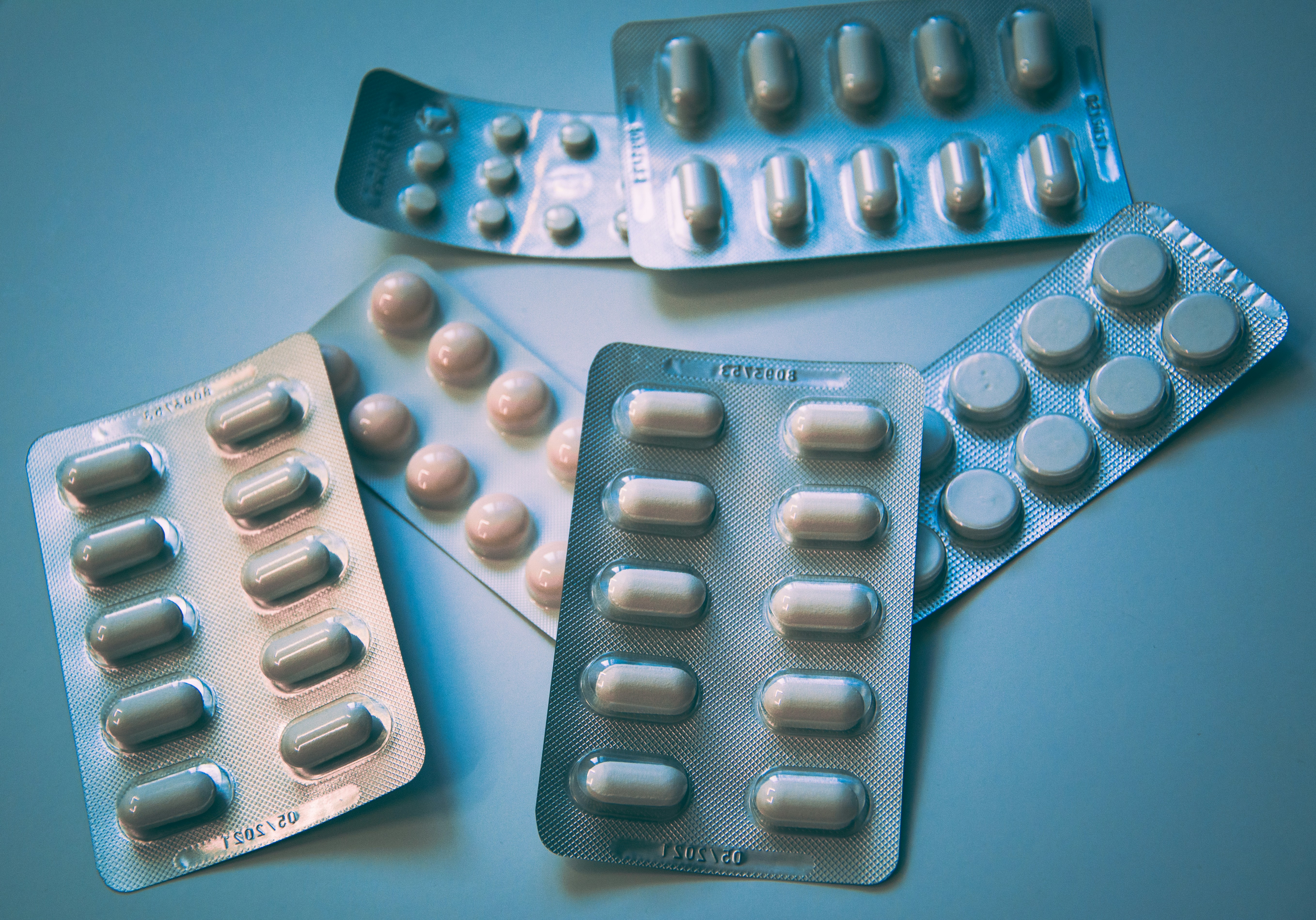
The new Swedish compound sidesteps all four issues by design. It is taken as a tablet, leaves appetite alone, and — in animal studies — improved blood sugar regulation and body composition while preserving muscle mass.
How the New Fat-Burning Pill Works
Targeting Muscle, Not Hunger
The drug is built around a lab-engineered molecule known as a β2 agonist (beta-2 agonist). This class of compounds has long been known to stimulate muscle metabolism, but its medical use was historically limited by one serious problem: β2 agonists also overstimulate the heart.
The research team engineered their molecule to activate the beneficial signaling pathways in muscle tissue in a new, selective way — described in the study as "GRK-biased" signaling — without excessively driving up heart activity. In effect, they kept the metabolic engine and removed the dangerous revving.
What the First Human Trial Showed
Alongside the preclinical work, the team completed an initial Phase I clinical trial involving 48 healthy volunteers and 25 people with type 2 diabetes. Participants tolerated the treatment well, clearing the first major safety hurdle on the road to approval.
"Our results point to a future where we can improve metabolic health without losing muscle mass," said Tore Bengtsson, professor at Stockholm University and one of the researchers behind the study. "Muscles are important in both type 2 diabetes and obesity, and muscle mass is also directly correlated with life expectancy."

Key Facts at a Glance
- Published in: Cell, by researchers at Karolinska Institutet and Stockholm University
- Drug type: oral tablet — a selective, engineered β2 agonist
- Mechanism: activates metabolism in skeletal muscle rather than suppressing appetite
- Reported benefits: lower blood sugar, increased fat burning, preserved muscle mass
- Trial status: Phase I complete (73 participants); Phase II planned, led by Swedish biotech Atrogi AB
A Partner, Not Just a Rival, to GLP-1 Drugs
One of the most intriguing implications is that this is not necessarily an either/or choice for patients. Because the new pill works through a completely different biological pathway than GLP-1 medications, researchers believe the two approaches could be combined.
"This makes them valuable both as a stand-alone treatment and in combination with GLP-1 drugs," said Shane C. Wright, assistant professor at Karolinska Institutet and co-author of the study. A combination could, in theory, deliver the powerful appetite control of GLP-1 drugs while the muscle-targeting pill offsets their muscle-wasting effect.
"This drug represents a completely new type of treatment and has the potential to be of great importance for patients with type 2 diabetes and obesity," Wright added. "Our substance appears to promote healthy weight loss and, in addition, patients do not have to take injections."
Important Caveats Before You Get Excited
As promising as the results are, this drug is still years away from pharmacy shelves. A few things worth keeping in mind:
- The strongest body-composition results so far come from animal studies; the human trial primarily established safety and tolerability.
- The upcoming Phase II trial must show the benefits hold up in a larger, more diverse group of people living with type 2 diabetes or obesity.
- Several study authors are employed by or hold shares in Atrogi AB, the company funding and developing the drug — a disclosed conflict of interest that independent trials will need to address.
Drug development is littered with compounds that aced Phase I and stumbled later. Still, the science here is notable because it opens an entirely new therapeutic pathway at a moment when demand for metabolic treatments has never been higher.

The Bottom Line
The race to build a better weight-loss drug is no longer just about suppressing appetite. By turning skeletal muscle into the primary target, Swedish researchers have shown there may be a way to burn fat, control blood sugar and protect the muscle that keeps us strong and living longer — all in a once-daily tablet.
If Phase II results confirm the early promise, the era of "Ozempic alternatives" may arrive sooner than expected — and it may not involve a needle at all.
What do you think — would you choose a muscle-boosting pill over an appetite-suppressing injection? Share your thoughts in the comments below, and follow the blog for updates when Phase II results drop.
This article is for informational purposes only and is not medical advice. Always consult a qualified healthcare provider before making decisions about diabetes or weight-loss treatment. Source: Karolinska Institutet via ScienceDaily, June 3, 2026; study published in Cell.
Post a Comment