A routine cross-country flight turned into an aviation scare on Monday when a JetBlue pilot reported striking a drone while descending toward New York's John F. Kennedy International Airport. The plane landed safely — but the incident has reignited urgent questions about how unmanned aircraft keep getting dangerously close to passenger jets.
What Happened on JetBlue Flight 948
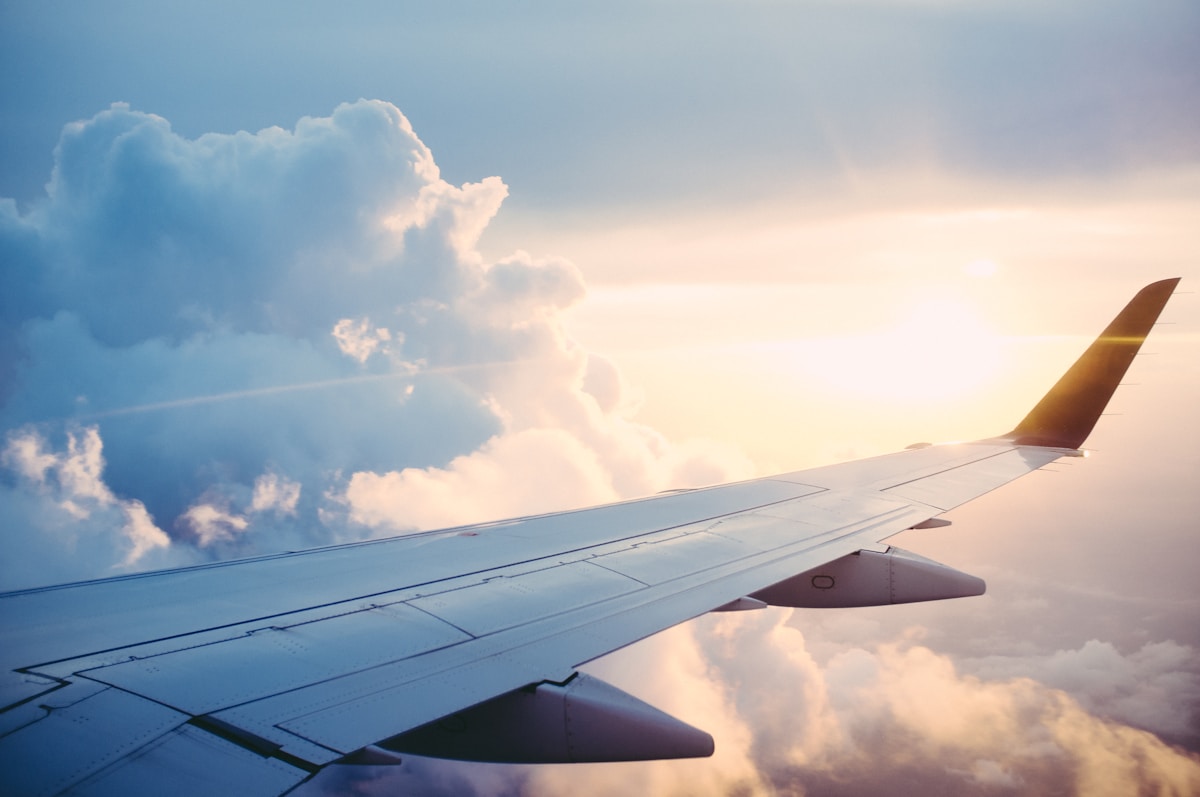
According to the Federal Aviation Administration (FAA), JetBlue Flight 948 was on approach to JFK on Monday morning after departing Harry Reid International Airport in Las Vegas. As the aircraft descended, the pilot radioed air traffic control to report an impact.
The pilot said a drone struck the plane just above the cockpit at roughly 3,000 feet — an altitude where no recreational drone is legally permitted to fly. Despite the reported collision, the crew continued the approach and landed without further incident.
- Flight: JetBlue 948, Las Vegas to New York (JFK)
- Reported impact: Above the cockpit, around 3,000 feet on approach
- Outcome: Safe landing; no injuries reported
- Inspection: No damage or evidence of a collision found afterward
No Damage Found — But Plenty of Concern
Both JetBlue and the FAA confirmed that a post-flight inspection turned up no damage and no physical evidence of a collision. That outcome is reassuring, yet it does little to settle the underlying worry: a drone at that altitude, in that location, should not have been there at all.
Even a small consumer drone can cause serious damage if it strikes an aircraft at the wrong moment — cracking a windshield, denting a wing, or being ingested into an engine. The fact that this encounter ended safely is, in part, a matter of luck.
A Pattern Near New York's Airports
This was the second drone-related event near New York airports in just four days. The FAA noted that a Newark-bound United flight reported a separate drone sighting the previous Friday afternoon. Both cases are now under investigation.
The clustering of incidents around one of the busiest airspaces in the country is exactly what aviation regulators fear: more drones, more flights, and a shrinking margin for error during the most delicate phases of flight — takeoff and landing.
How Common Are Drone-Airport Encounters?
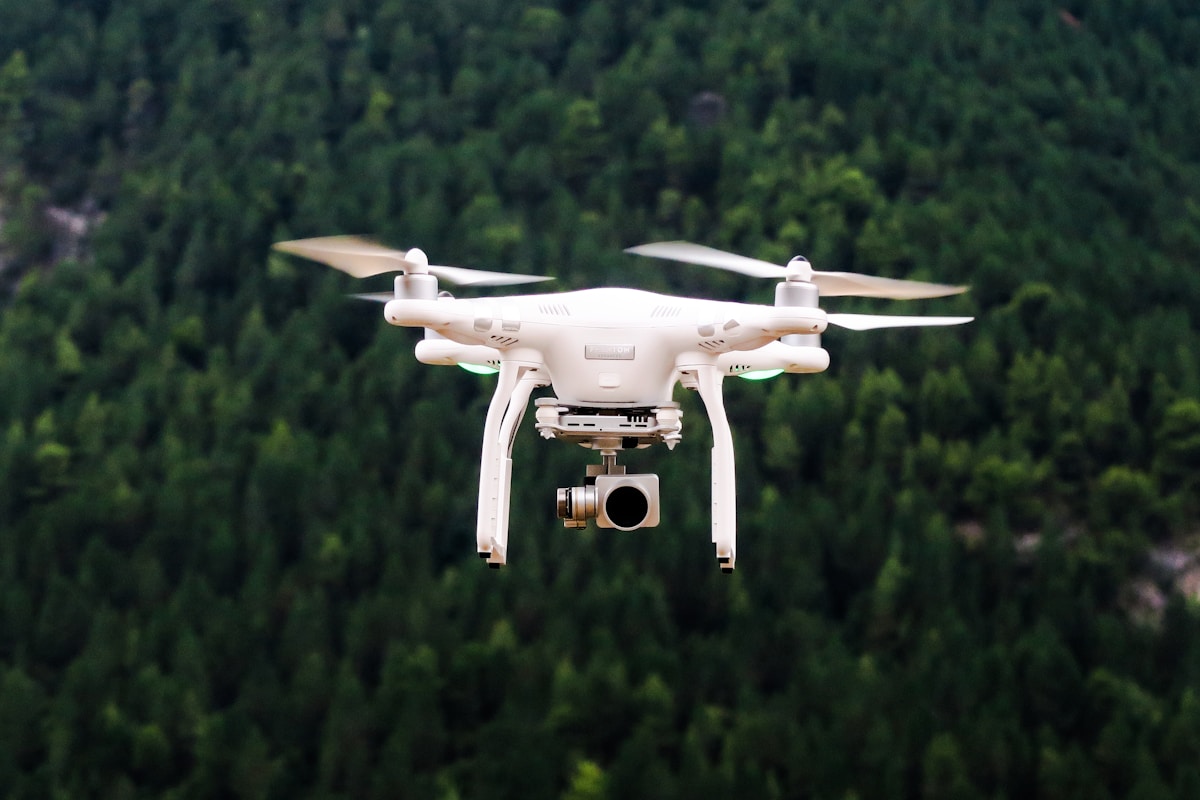
More common than most travelers realize. The FAA says it receives more than 100 drone-sighting reports near airports every month, and it stresses that flying a drone in restricted airspace around airports is illegal.
Key rules for recreational drone operators in the United States include:
- Stay below 400 feet in uncontrolled airspace
- Keep the drone within visual line of sight at all times
- Never fly near airports without explicit FAA authorization
- Register drones above 0.55 pounds with the FAA
Violations can carry steep civil penalties and, in serious cases, criminal charges — a reflection of how seriously authorities treat the risk to crewed aircraft.
Why This Keeps Happening
The drone population has exploded in recent years, driven by affordable consumer models, commercial delivery testing, and hobbyist photography. Enforcement, meanwhile, is difficult: drones are small, hard to track, and often operated by people unaware of — or indifferent to — the rules.
Regulators are racing to catch up with technologies such as Remote ID, which acts like a digital license plate for drones, and counter-drone detection systems around sensitive airspace. But adoption takes time, and incidents like the JetBlue encounter underscore how far the system still has to go.
What It Means for Travelers
For passengers, the practical takeaway is reassuring on one level: aircraft are robust, crews are well trained, and this flight landed safely. But the steady drumbeat of near-misses is a reminder that airspace safety increasingly depends on responsible behavior from people on the ground, not just pilots in the cockpit.
The Bottom Line
The JetBlue drone strike at JFK ended without harm, but it lands at a moment of mounting concern over unmanned aircraft crowding into commercial airspace. With the FAA now investigating two incidents in four days near New York, pressure is building for tougher detection, clearer rules, and stronger enforcement.
What do you think should be done to keep drones away from passenger jets? Share your thoughts in the comments, and follow along for the latest updates as the FAA investigation unfolds.
Post a Comment