The world's most strategic shipping lane is moving again. Iran's Revolutionary Guard announced Wednesday that it would no longer block the Strait of Hormuz, hours after President Donald Trump paused "Project Freedom," the U.S. military mission to escort commercial vessels through the contested waterway. The twin moves mark the most significant de-escalation since the U.S.-Iran conflict erupted in late February, and they could pull global oil markets back from the brink.
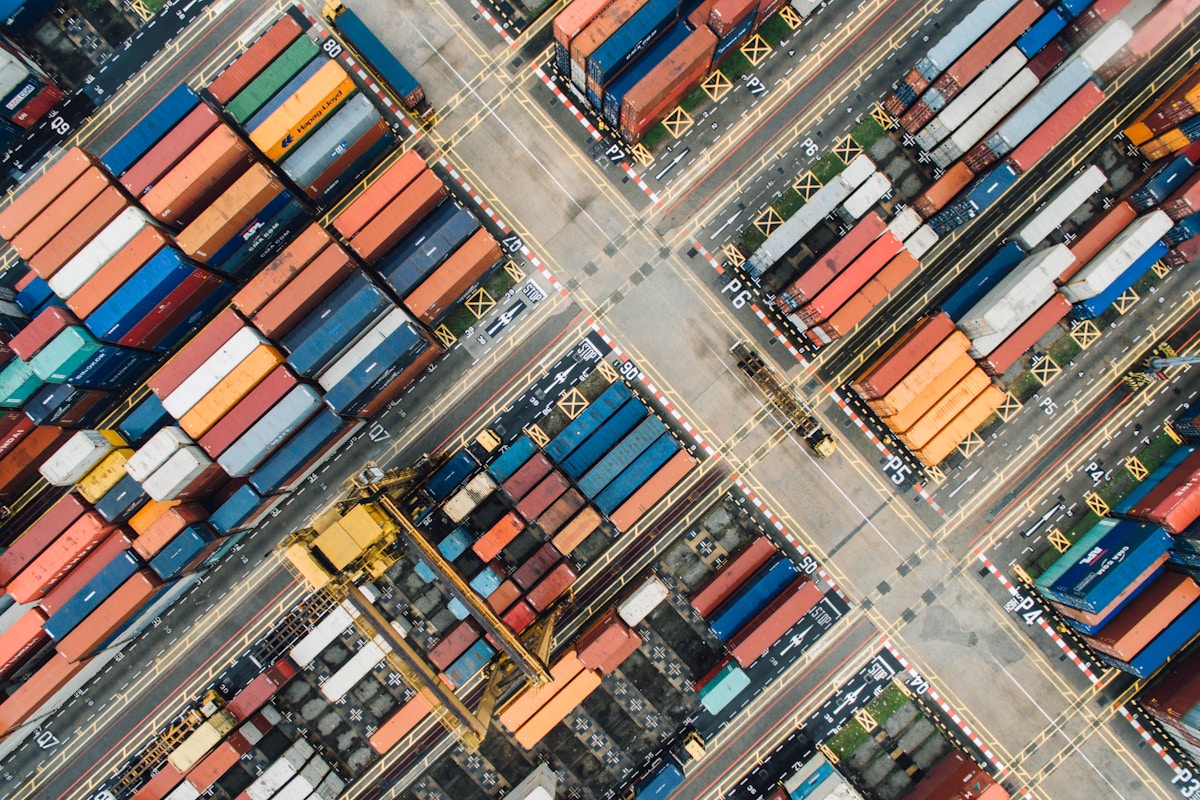
An oil tanker transits a strategic waterway. Roughly 20% of the world's oil supply moves through the Strait of Hormuz. Photo: Unsplash.
A Sudden Diplomatic Opening
In a post on social media, the Islamic Revolutionary Guard Corps (IRGC) navy command said it will provide "safe passage" to international shipping through the strait. The statement reverses a months-long Iranian blockade that had effectively closed the chokepoint since February 28, when U.S. and Israeli forces launched their joint strike on Iran's nuclear infrastructure.
Trump's announcement came one day earlier. In a Truth Social post on Tuesday, the president said he was pausing Project Freedom — the U.S. Navy operation that began only 24 hours before — to give space for diplomacy. He cited "Great Progress" toward "a Complete and Final Agreement" with Tehran.
Together, the announcements suggest back-channel talks have advanced further than either side had publicly acknowledged.
How We Got Here: A Crisis in Three Months
The Strait of Hormuz crisis began in earnest on February 28, 2026, when American and Israeli forces struck Iranian nuclear and missile sites. Within days, the IRGC issued warnings forbidding commercial transit through the 21-nautical-mile-wide chokepoint that connects the Persian Gulf to the Arabian Sea.
Over the following weeks, Iranian forces:
- Boarded and seized merchant vessels traversing the strait
- Laid sea mines along key shipping lanes
- Exchanged fire with U.S. naval assets in the Persian Gulf
- Detained crew members from at least three commercial tankers
The disruption rippled outward. With roughly one-fifth of the world's oil — and a significant share of liquefied natural gas — moving through the strait each day, insurance premiums for tankers spiked, refiners scrambled for alternatives, and consumers from Tokyo to Berlin felt the squeeze at the pump.
What Project Freedom Was Meant to Do
Project Freedom was the Pentagon's answer to the blockade. Launched on Monday, the operation was modeled loosely on the 1987 "Operation Earnest Will," when U.S. warships escorted reflagged Kuwaiti tankers through the same waters during the Iran-Iraq War.
A container vessel under way. Insurance premiums for ships in the region spiked sharply during the blockade. Photo: Unsplash.
The plan was to convoy stranded merchant vessels — many of which had been waiting for weeks in the Gulf of Oman — past Iranian forces. Pausing the mission this quickly carries political risk for the White House, but officials inside the administration appear to have judged that the diplomatic prize was within reach.
Trump's Reasoning
In his post, the president framed the pause as conditional and short-term. Project Freedom "will be paused for a short period of time," he wrote, "to see whether or not the Agreement can be finalized and signed." That phrasing leaves the door open to a rapid resumption if Tehran walks back its commitments.
Why This Matters Beyond the Gulf
The Strait of Hormuz is not just a regional concern. It is, by most measures, the single most important piece of energy infrastructure in the world. Any disruption — even a perceived one — moves oil prices and ripples through every major economy.
Economists were watching three indicators closely:
- Crude prices: Brent and WTI both surged after the February strikes and have remained elevated. A genuine reopening could push prices down 10-15% in coming weeks.
- Shipping insurance: War-risk premiums for vessels entering the Gulf jumped to historic highs. Underwriters will be slow to cut rates until passage proves stable.
- LNG flows: Qatar, the world's second-largest LNG exporter, ships nearly all of its product through the strait. European buyers ahead of next winter's heating season have been particularly exposed.
Cautious Optimism on Wall Street
Markets opened mixed Wednesday morning. While the IRGC announcement is a clear positive, traders remember that previous Iranian commitments have been reversed within days. "This is a real signal, but it isn't a deal," one veteran energy analyst noted. The reality is that no agreement has been signed, and the strait remains heavily mined.
What Happens Next
The immediate questions are practical. Mine clearance through the strait could take weeks even if Iran cooperates fully. Several commercial operators have already said they will not commit ships to transit until they see independent evidence that the lanes are safe.
Diplomatically, the next milestone is whatever document the Trump administration is reportedly preparing to sign with Tehran. Past sticking points have included uranium enrichment limits, IRGC sanctions, and Iran's regional proxy network. None of those have been resolved publicly.
For now, the world is watching the water. If tankers begin moving freely through the strait this week without incident, it will be the strongest evidence yet that the most dangerous chapter of the 2026 crisis may be closing.
The Bottom Line
Wednesday's twin announcements — Iran lifting its blockade and Trump pausing Project Freedom — represent the most concrete de-escalation since the war began. They do not constitute a peace deal, and they do not undo the damage already done to global supply chains. But for the first time in months, the trajectory is heading the right way.
What's your take? Will the Strait of Hormuz remain open, or are we watching another short-lived pause? Drop your thoughts in the comments, and subscribe for daily breakdowns of the stories shaping global markets.
Sources: NPR, CNN, CNBC, NBC News, Wikipedia. This article reflects publicly reported developments as of May 6, 2026.
Post a Comment