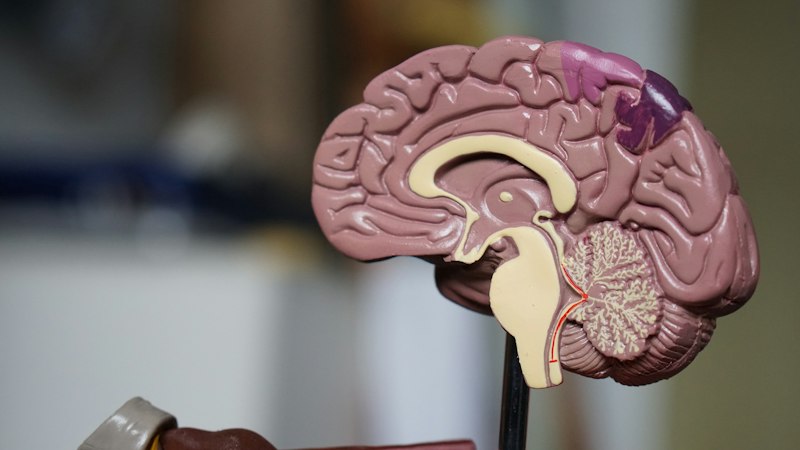
Neurowellness 2026: 5 Science-Backed Brain Hacks for Better Sleep, Focus and Mood
In 2026, the buzzword everyone is talking about in health and wellness is neurowellness — the science of optimizing brain function for better sleep, sharper focus, stronger memory, and more stable mood. With record-high stress levels, screen overload, and information fatigue, taking care of your brain is no longer optional. Here are five science-backed brain hacks that you can start using today, no expensive gadgets or supplements required.
What is Neurowellness?
Neurowellness is a fast-growing field that combines neuroscience, psychology, nutrition, and lifestyle medicine. Unlike traditional mental health that focuses on treating disorders, neurowellness is about optimizing a healthy brain so it performs at its peak. Recent research from Harvard, Stanford, and AIIMS has shown that small daily habits can produce measurable changes in brain wave activity, stress hormones, and cognitive performance within weeks.
Hack 1: Morning Sunlight in the First 30 Minutes
Stanford neuroscientist Dr. Andrew Huberman has popularized this hack and the science is solid. Getting 5-10 minutes of direct morning sunlight within 30 minutes of waking up resets your circadian rhythm, boosts cortisol at the right time, and primes your brain for focus. People who do this report falling asleep 15-20 minutes faster at night. No sunglasses, no window glass — step outside or stand on your balcony.
This hack is especially powerful for people in cities like Hyderabad, Bangalore, and Mumbai who spend most of the day indoors under artificial light.
Hack 2: The 20-20-20 Rule for Screen Fatigue
If you work on a computer or phone for more than four hours a day (which is most of us), your brain pays a price in the form of eye strain, headaches, and reduced focus. The fix is the 20-20-20 rule: every 20 minutes, look at something 20 feet away for 20 seconds. This simple habit relaxes the ciliary muscles in your eyes and gives the visual cortex a brief break.
Pair it with the Pomodoro technique (25 minutes of focus + 5 minutes of break) and you will notice dramatically less mental fatigue by the end of the workday.
Hack 3: Cold Water on Your Face for Instant Calm
This is a scientifically validated technique used by Navy SEALs and called the mammalian dive reflex. Splashing cold water (around 10°C) on your face for 30 seconds activates the vagus nerve, slows your heart rate, and triggers a calming parasympathetic response. It is one of the fastest ways to reduce acute anxiety and reset a stressed mind.
Use it before an important meeting, after a difficult phone call, or whenever you feel overwhelmed. Bonus: it also reduces puffiness around the eyes.
Hack 4: Magnesium-Rich Foods for Better Sleep
Magnesium is one of the most under-appreciated minerals for brain health. It plays a role in over 300 enzymatic reactions and is critical for GABA production, the neurotransmitter that helps you relax and fall asleep. Most adults are slightly deficient.
You do not need expensive supplements. Add these magnesium-rich foods to your daily diet: spinach, almonds, pumpkin seeds, dark chocolate (70% or higher), bananas, and black beans. A small handful of pumpkin seeds and a square of dark chocolate after dinner is a perfect bedtime snack that promotes deeper sleep.
Hack 5: 10-Minute Daily Walk After Lunch
A 2024 study published in the journal Sports Medicine found that a 10-minute walk after lunch lowered post-meal blood sugar by up to 22%, reduced afternoon energy crashes, and improved cognitive performance for the next 2-3 hours. Your brain runs on glucose, and stable blood sugar means stable focus.
This hack is free, requires no special equipment, and can be done indoors if needed. If you have a desk job, set a recurring calendar reminder for 1:30 PM and walk around your office or neighborhood. The compounding benefits over weeks and months are huge.
Bonus: Digital Sunset Before Bed
One bonus hack worth mentioning: stop using screens 60 minutes before bedtime. Blue light from phones and laptops suppresses melatonin production by up to 50%. If you absolutely must use a device, switch on night mode or wear blue-light blocking glasses. Better yet, read a physical book or have a real conversation with a family member.
What About Meditation and Yoga?
Meditation, pranayama, and yoga are still some of the most powerful neurowellness tools. Even 5 minutes of slow nasal breathing (4 seconds in, 6 seconds out) can shift your nervous system from "fight or flight" to "rest and digest." Apps like Headspace, Calm, and India-made Sattva offer guided sessions in multiple Indian languages.
The Role of Diet in Neurowellness
Beyond magnesium, your brain benefits from omega-3 fatty acids (found in walnuts, flaxseeds, and fatty fish), antioxidants from berries and leafy greens, and adequate protein for neurotransmitter synthesis. Avoid ultra-processed foods, excess sugar, and trans fats — they cause inflammation that damages brain cells over time.
Sleep is Non-Negotiable
No brain hack works if you are not getting 7-9 hours of quality sleep. Sleep is when the brain clears out toxins, consolidates memories, and resets emotional balance. Make a consistent sleep schedule, keep your bedroom cool and dark, and avoid caffeine after 2 PM.
Putting It All Together
You do not need to do all five hacks at once. Pick one this week, master it, then add another. In a month, you will have a complete neurowellness routine that compounds over years. Better focus means better work. Better sleep means better mood. Better mood means better relationships. Everything starts with a healthy brain.
For more daily tips on health, wellness, finance, and trending news that actually helps you live a better life, follow Info Globe. Share this article with someone who needs a brain boost in 2026!
Disclaimer: This article is for educational purposes only and does not replace professional medical advice. Consult a doctor before making major changes to your diet or lifestyle.
Tags: neurowellness 2026, brain hacks, better sleep tips, focus and concentration, mental health, Andrew Huberman, mood improvement
Post a Comment