For the first time in over half a century, humans have journeyed to the Moon and back. On April 10, 2026, NASA's Artemis II crew splashed down in the Pacific Ocean off the coast of San Diego, completing a nearly 10-day mission that shattered the record for the farthest distance any human has ever traveled from Earth. The moment marked a triumphant new chapter in space exploration — and the world was watching.
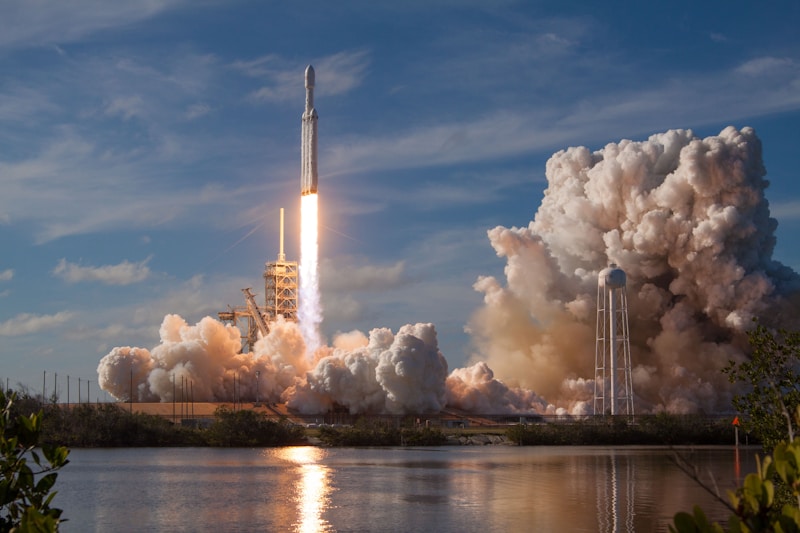
Image: Rocket launch (Unsplash)
What Was the Artemis II Mission?
Artemis II was a crewed lunar flyby mission — the first time astronauts have ventured beyond low Earth orbit since Apollo 17 in December 1972. Launched on April 1, 2026, aboard NASA's powerful Space Launch System (SLS) rocket with the Orion spacecraft, the mission carried four astronauts on a nine-day journey around the Moon and back.
The crew consisted of four exceptional space travelers:
- Reid Wiseman — Mission Commander (NASA)
- Victor Glover — Pilot (NASA)
- Christina Koch — Mission Specialist (NASA)
- Jeremy Hansen — Mission Specialist (Canadian Space Agency)
This mission served as a critical test flight for NASA's Artemis program, which aims to return humans to the lunar surface and eventually establish a sustained presence on the Moon. While the crew did not land, their flyby validated the Orion spacecraft's life support systems, navigation, and re-entry capabilities with humans aboard for the first time.
A Record-Breaking Journey: 252,756 Miles from Home
During their lunar flyby on April 6, the Artemis II crew traveled 252,756 miles from Earth — surpassing the previous record of 248,655 miles set by the Apollo 13 crew in April 1970. That means these four astronauts ventured 4,111 miles farther into deep space than any humans before them.
The significance of this achievement cannot be overstated. For 54 years, no human had traveled beyond low Earth orbit. The International Space Station orbits at roughly 250 miles above the planet. Artemis II took its crew more than a thousand times farther — a visceral reminder of both the vastness of space and the ambition of the program designed to conquer it.
Stunning Lunar Images Captivate the World
During their seven-hour pass over the lunar far side, the astronauts captured approximately 10,000 photographs of the Moon. Working in two shifts across roughly five hours, the crew documented impact craters, ancient lava flows, surface fractures, and color variations across the lunar terrain.
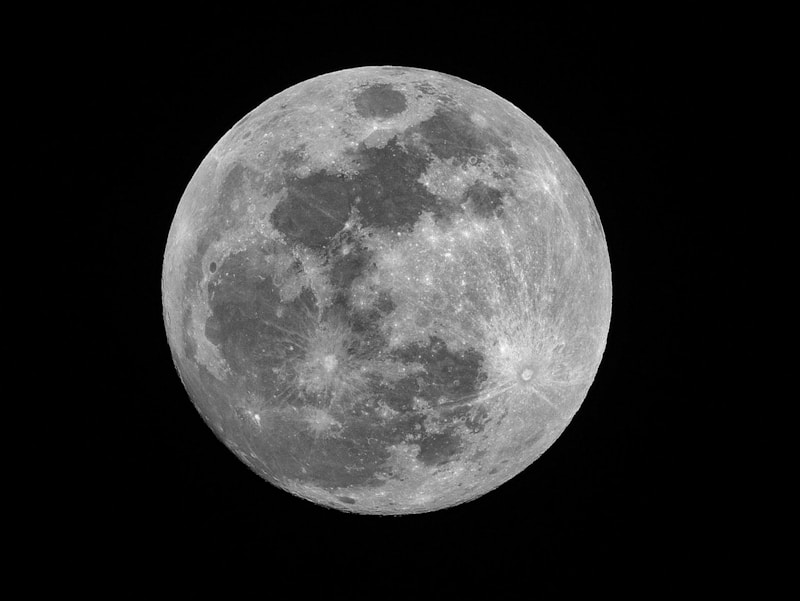
Image: The lunar surface (Unsplash)
Among the most breathtaking images were views of "Earthset" — the moment Earth appeared to set below the lunar horizon — and a solar eclipse as seen from the Moon's vicinity, during which the Moon blocked the Sun from Orion's vantage point. More than 7,000 of these images featured the lunar surface and the eclipse, providing scientists with invaluable new data about the Moon's geography and composition.
Splashdown: A Picture-Perfect Return
The Orion spacecraft re-entered Earth's atmosphere at a blistering speed of approximately 24,661 miles per hour — comparable to what Apollo-era astronauts experienced. After a fiery descent through the atmosphere, parachutes deployed and slowed the capsule to just 20 mph before it splashed down in the Pacific Ocean at 5:07 p.m. PDT (8:07 p.m. EDT) on April 10.
Recovery teams from NASA and the U.S. military quickly moved in. The crew was extracted from the Orion capsule and flown by helicopter to the USS John P. Murtha. Reports from NASA's landing and recovery director indicated the astronauts were in excellent spirits — already out of their seats, taking selfies, and celebrating while waiting for recovery crews to arrive.
In total, the mission covered an extraordinary 694,481 miles over its nearly 10-day duration.
Powerful Words from the Crew
In their first public remarks after returning to Earth, the Artemis II astronauts delivered moving reflections on their experience that resonated far beyond the space community.
Mission Commander Reid Wiseman called the mission "the most special thing that will ever happen in my life," adding a message to future astronauts about the courage and determination needed for what lies ahead.
Mission Specialist Christina Koch offered a poetic reflection on teamwork and perspective. After seeing Earth appear tiny through the Orion window, she declared: "Planet Earth: You are a crew."
Pilot Victor Glover turned the spotlight back on the public, saying the crew served as a mirror reflecting what humanity is capable of when working together toward a shared goal.

Image: Earth from space (Unsplash)
What Comes Next for the Artemis Program?
With Artemis II successfully completed, NASA's focus now shifts to the next major milestone: Artemis III, which aims to land astronauts on the lunar surface for the first time since 1972. That mission will use SpaceX's Starship as the human landing system, touching down near the Moon's south pole — a region of intense scientific interest due to the presence of water ice in permanently shadowed craters.
The success of Artemis II validates critical systems that will be essential for longer missions. The Orion spacecraft's heat shield, life support, navigation, and communication systems all performed as designed during the mission, giving engineers confidence to proceed toward landing missions.
Beyond Artemis III, NASA has outlined plans for building the Lunar Gateway — an orbiting space station around the Moon — and establishing a long-term human presence on the lunar surface through the Artemis Base Camp concept. These efforts are also seen as stepping stones toward an eventual crewed mission to Mars.
Why This Mission Matters
Artemis II is more than a test flight. It represents a generational shift in space exploration. For the first time, the crew included a woman (Christina Koch) and a person of color (Victor Glover) on a mission beyond low Earth orbit — expanding who gets to participate in humanity's greatest adventures.
It also marks the first time a non-American astronaut, Canadian Space Agency's Jeremy Hansen, has traveled beyond low Earth orbit, signaling the increasingly international nature of deep space exploration.
As Christina Koch put it so eloquently: we are all a crew. And with Artemis II in the books, that crew just took its biggest step forward in more than fifty years.
What do you think about NASA's Artemis program? Share your thoughts in the comments below, and follow this blog for the latest updates on space exploration and trending science news.
Post a Comment